
Reviewed · PONTA DE SãO LOURENçO TOURS
Full Day Ponta de São Lourenço – Natural Reserve
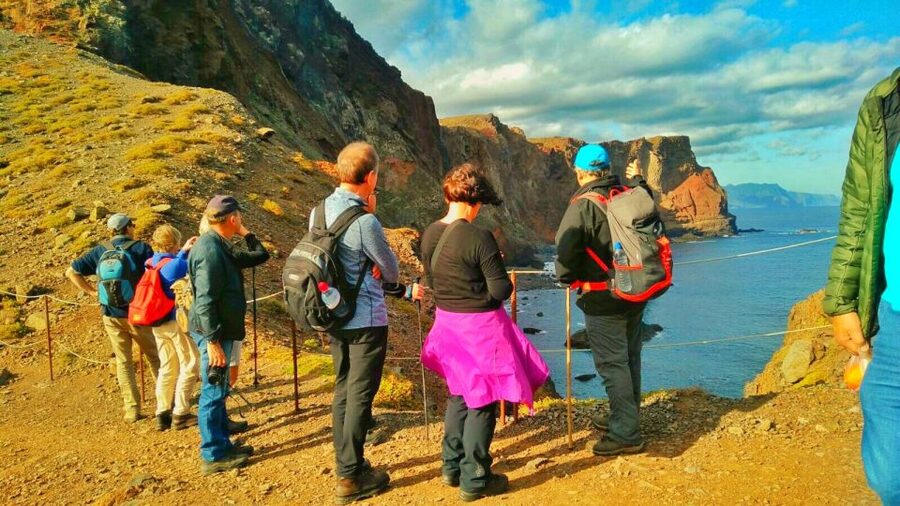
Ponta de São Lourenço delivers big drama fast. This guided walk takes you along Madeira’s long, thin volcanic peninsula, where you can spot protected seabirds and see coastlines north and south at the same time, with guides like Marta and Ruben bringing the natural history to life. I like that the route feels wild and specific to this corner of the island, not copy-paste Madeira scenery.
What I love most is the mix of epic coastal viewpoints and low-effort walking math: about 6 km with around 100 meters of elevation gain. I also really enjoy the chance to learn the names behind what you see, from endemic plants like Helichrysum devium Johns to the Ice Flower (Mezembryanthemum crystallinum).
One thing to plan for is wind. Even when the sky looks fine, gusts can make walking feel tougher, and you’ll want proper shoes and rain gear, especially if you’re not used to exposed headlands.
In This Review
- Key highlights at a glance
- Why Ponta de São Lourenço feels different from the rest of Madeira
- Getting there from Funchal: pickup, van ride, and a small stretch before the hike
- Entering the natural reserve: what you’ll see right away
- The 6 km walk: pace, difficulty, and why it feels manageable
- Plants that make this hike educational, not just scenic
- Seabirds: how to spot them without getting obsessed
- Deserted Islands and Porto Santo: the weather question you should take seriously
- Casa do Sardinha: what the stop does for the whole day
- The return hike: same route, different feeling
- What to pack: the windproof checklist that keeps you comfortable
- Price and value: is $54 a good deal?
- Who should book this, and who should skip it
- Should you book this Ponta de São Lourenço hike?
Key highlights at a glance
- A rare view of both coasts of Madeira from one narrow peninsula, weather permitting
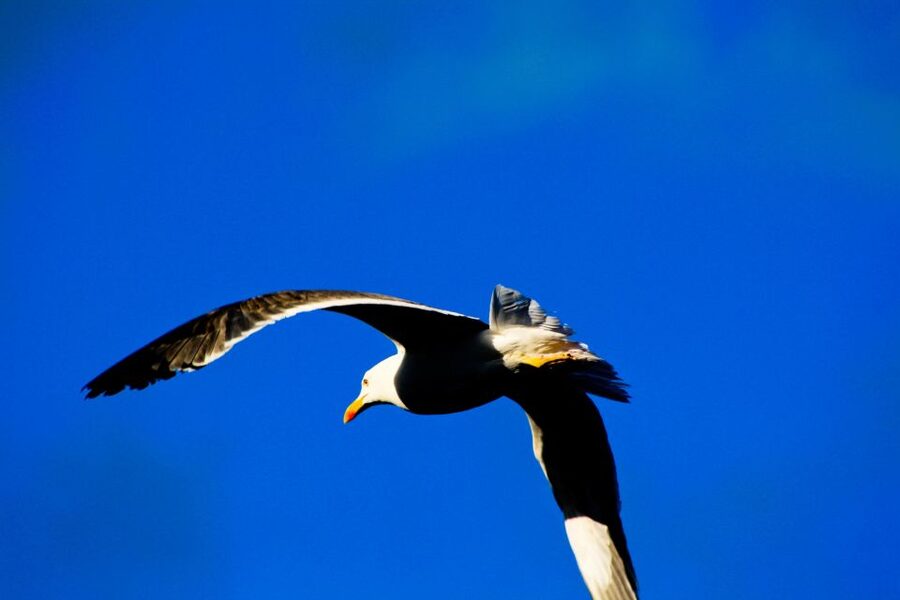
- Protected seabirds you can realistically look for, including Cory’s shearwater and Bulwer’s petrel
- Endemic plants like Everlasting and Ice Flower along a habitat that feels totally different from central Madeira
- Casa do Sardinha as a guided end point with time to rest before turning back
- Guides who pace and explain well, with many sessions led by names like Marta, Ruben, Samuel, and Daria
Why Ponta de São Lourenço feels different from the rest of Madeira
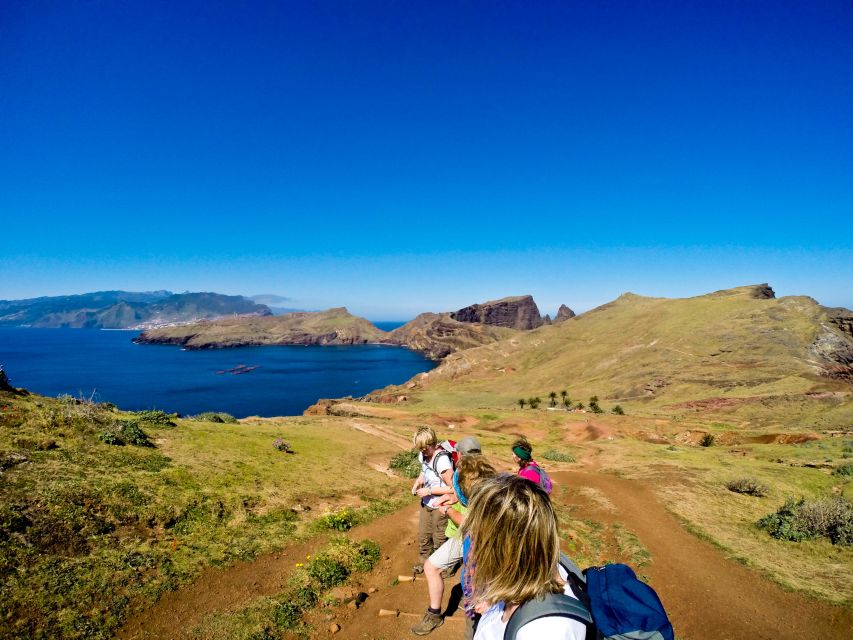
Madeira’s reputation is all about green slopes and levadas, but Ponta de São Lourenço tells another story. You’re at the eastern end, where the land runs out into the Atlantic like a long, narrow finger of volcanic rock. That geography matters because it creates those sweeping sightlines: the sea is always in view, and you get framed views toward the Deserted Islands and Porto Santo (when the weather cooperates).
Another reason this place stands out is how the vegetation changes. You’ll walk through a patchwork of plants that are adapted to harsher conditions, including Everlasting (Helichrysum devium Johns) and the Ice Flower (Mezembryanthemum crystallinum). These are not just pretty labels. They help you understand why this reserve is worth protecting.
Getting there from Funchal: pickup, van ride, and a small stretch before the hike
The day starts with pickup from designated hotels across Funchal and the wider area. You’ll be in a van, and the drive involves scenic sections toward Caniçal, where the trail access is based. If you’re staying in one of the listed properties, this part is straightforward: you show up at reception about 10 minutes early, and the guide team keeps things moving.
There’s sometimes a short break at a local café before the hike. The key word is sometimes. In practical terms, I recommend treating it as a bonus, not a guaranteed meal opportunity. If you want to feel comfortable, eat a hearty breakfast before pickup so you’re not hunting energy halfway through the morning.
Why the logistics matter: this hike is only about 3.5 hours of walking time, but the full experience stretches to around 6 hours including driving and breaks. If you like planning a full afternoon after, start thinking early. Based on real-world timing people report, you’re usually back by early afternoon rather than late evening.
Where the island runs out into the sea
Entering the natural reserve: what you’ll see right away
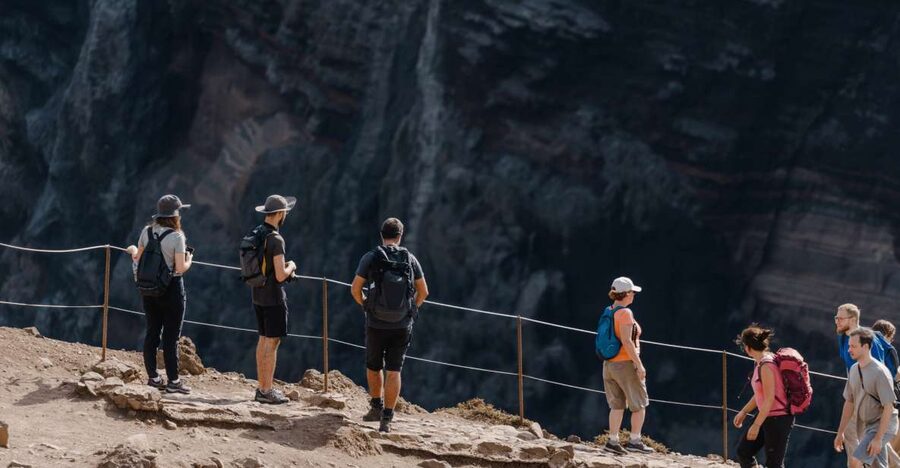
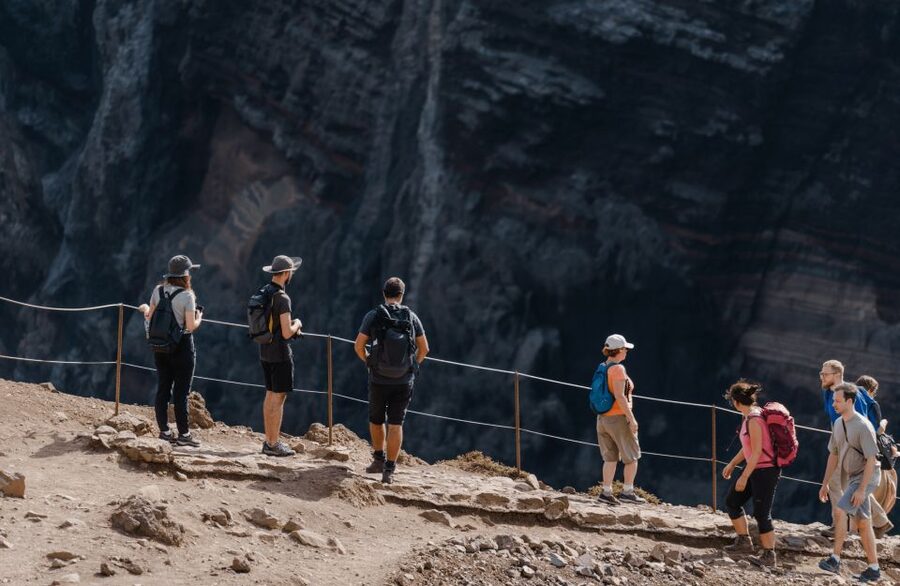
Once you begin hiking, the terrain quickly confirms you’re in a different Madeira zone. The peninsula has a clean, exposed feel, with rocky edges and open horizons. That’s great for photos, but it also means sun and wind hit harder than they do on sheltered trails.
The reserve here is classified as a partial natural reserve and it sits inside the Natura 2000 network. In plain language, that translates to habitat protection and rules that help keep this area stable for birds and rare plants. The good news for you is that the payoff is visible: the area stays interesting.
Your route includes a guided walk with safety briefing and scenic viewpoints along the way. You’ll also get time to pause for photos and check-in moments, not just march in a straight line. And the fact that the peninsula is long, not looped, gives you that rare feeling of seeing a lot of coastline without changing trails every ten minutes.
The 6 km walk: pace, difficulty, and why it feels manageable
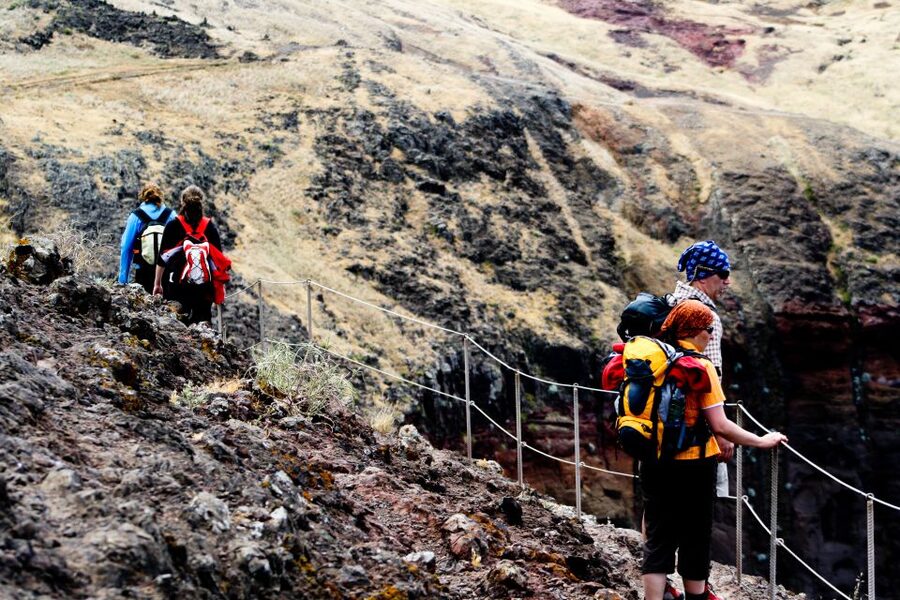
The main hike is about 6 km with around 100 meters of elevation gain. It’s often described as easy to moderate, but I’d frame it like this: it’s manageable for most people who can walk 1.5 to 2 hours on uneven terrain, yet the wind can make it feel harder.
Time on the trail is usually about 3 hours 30 minutes. That’s long enough to enjoy the scenery and birdwatching, but short enough that you don’t feel trapped for a full day. The route is also well signed, so you’re not constantly checking where to go. Still, you’re on an exposed peninsula, so you should respect the guide’s safety instructions.
A practical note on pace: some groups move briskly because the schedule includes stops and return time. You can still take photos, but if you like stopping every two minutes for the perfect shot, keep your expectations realistic. Follow the group rhythm, then use the planned pauses to linger.
Plants that make this hike educational, not just scenic
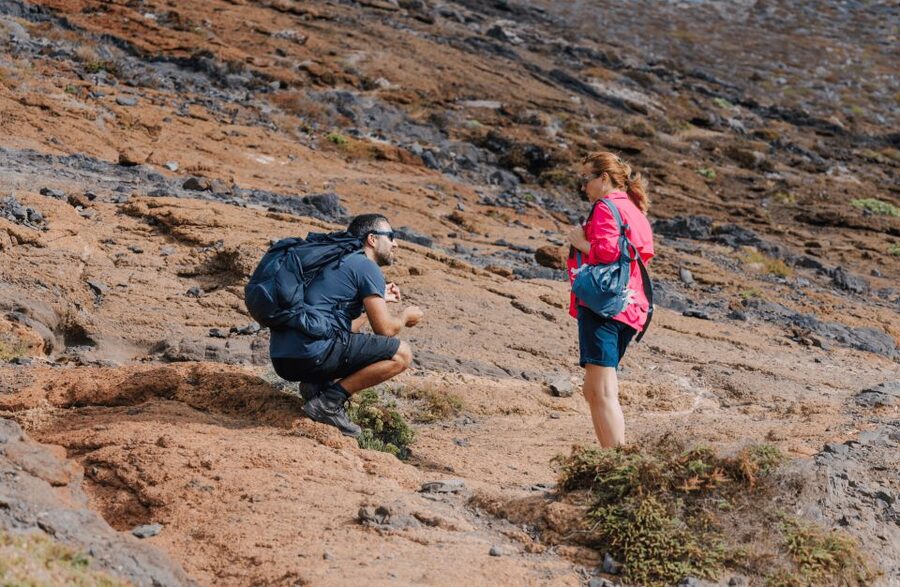
This is the part I think many people appreciate once they’re actually out there. Yes, the views are spectacular, but the peninsula is also a living classroom of plants adapted to this coast.
Two examples you should watch for:
- Everlasting (Helichrysum devium Johns), which fits the dry, tough conditions of the reserve
- Ice Flower (Mezembryanthemum crystallinum), known for surviving in harsh environments
When your guide explains what you’re looking at, it changes how you experience the walk. Instead of seeing random low growth, you start noticing patterns: where plants cling, how they appear in rocky pockets, and what that says about the coast’s microclimates. If you’re even slightly interested in nature, this is one of the better-guided hikes in Madeira because the learning feels grounded in what you can actually spot with your own eyes.
Seabirds: how to spot them without getting obsessed
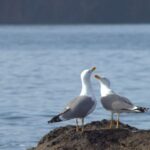
This is a protected bird area, and it’s one of the most compelling reasons to do the hike. You may spot protected seabirds such as:
- Cory’s shearwater
- Madeiran storm-petrel
- Bulwer’s petrel
- Common tern
You might also see other species like Berthelot’s pipit, goldfinch, and canary.
The practical way to handle birdwatching is simple. Don’t wait for a miracle. Keep your gaze moving between the sky and the coastline, and listen when the guide cues you to look. Guides often time explanations to when birds are more likely to be active, which is why the guided format helps.
If you’re the type who loves wildlife but hates standing still for long stretches, you’re in luck. The views naturally encourage short stops and scanning. You’re walking anyway, so birdwatching becomes part of the hike, not a separate activity that changes your whole plan.
A few more corners of the island worth seeing
- Madeira: Full-Day Jeep Tour with Guide and Pickup★ 4.9 · 2,216 reviews
- Eastern Madeira: Full-Day Tour with Rum Tasting★ 4.7 · 1,575 reviews
- Madeira West Island Full-Day Tour with Fanal Forest★ 4.4 · 306 reviews
Deserted Islands and Porto Santo: the weather question you should take seriously
One of the promised thrills is the view of the Deserted Islands to the south and Porto Santo to the north. Weather permitting is not a throwaway phrase here. On a clear day, the peninsula’s exposure makes those horizons feel enormous. On a hazy day, distances compress and the drama fades.
So I’d plan like this:
- If it’s clear, expect you’ll get the best “both coasts at once” effect.
- If it’s windy or hazy, focus on closer details too, like plant pockets, bird movement, and immediate coastal lines.
This is also why wind gear matters. Strong gusts can push you around on the ridges and exposed edges, and you don’t want to feel like you’re fighting the trail. Dress like the coast will be dramatic, because it often is.
Casa do Sardinha: what the stop does for the whole day
Reaching Casa do Sardinha at the end of the path changes the mood. This is your turnaround point, and it’s built for a reset: you’ll take a few minutes to rest, then you’ll have a break time (often around 30 minutes).
This stop is more than a snack moment. It gives you a clean mental checkpoint. You’ve seen the peninsula stretch out, your guide has done the main explanations, and now you can slow down for a bit before heading back along the same trail.
Toilets can be a factor. One person noted a queue of about half an hour for the restrooms at Casa do Sardinha. That’s a big clue for you: if you’re a careful planner, go when you can, not when you urgently have to. It’s also smart to carry small cash or coins in case facilities operate with small usage charges, since you don’t want to be stuck during the busiest moment.
The return hike: same route, different feeling
The walk back follows the same trail, so it’s not about discovering new geography. It’s about experiencing the peninsula again with new context.
By the time you turn around, you’re already familiar with:
- where the viewpoints open up
- what the plant areas look like
- the kind of bird activity your guide is scanning for
That makes the return feel like a second chapter, not a replay. The ocean views also shift with angle and light, even if you stay on the same path.
If the wind eases for part of the afternoon, you’ll feel it. If it doesn’t, you’ll still be okay if you’re dressed properly and you stick with your guide’s rhythm.
What to pack: the windproof checklist that keeps you comfortable
This hike sounds simple on paper. The trick is exposure. The peninsula can be windy, and you’ll want gear that lets you stay focused on walking and looking, not adjusting clothes constantly.
Bring:
- Comfortable shoes, and ideally real hiking shoes
- Sunscreen, because exposed trails burn fast
- Rain gear, even if the forecast looks fine
- Comfortable clothes for shifting conditions
- Your own food and drinks
Important: sandals and flip-flops are not allowed. And you also want to avoid bringing large bags or luggage because you’re in a van and you don’t want baggage cluttering space.
One more useful habit: pack snacks as if the café stop is optional. Food and drinks are not guaranteed during the hike. Some people are able to buy things before or after, but don’t build your day around that. You’re on a schedule, and hunger is not the feeling you want in strong coastal wind.
Price and value: is $54 a good deal?
At about $54 per person, this isn’t a bargain hike, but it can be good value if you care about guidance and not just walking.
Here’s what you get for the price:
- A professional mountain guide
- A guided nature walk through the reserve
- Insurance coverage as required by Portuguese law
- Pickup and drop-off from designated hotels
The cost you should mentally add:
- A mandatory nature maintenance contribution of 3 euros, paid directly to the guide in cash
The hidden value is in the interpretation. When a guide points out the difference between plant types, explains why specific seabirds are protected, and keeps you moving safely on an exposed coastline, you end up with a hike that feels earned, not random. Based on how people describe their guides, the best part of the day is often the explanation quality, with names like Marta, Ruben, Samuel, Claudio, Fabio, and Daria popping up as leaders who pay attention to the group.
If you’re the type who wants to walk independently and you already know the bird and plant basics, you might question the price. But if you want the reserve to make sense while you’re there, the guided format justifies the cost.
Who should book this, and who should skip it
This tour fits best if you:
- want a guided nature hike that still has big scenery
- can handle 3.5 hours of walking at a moderate pace
- enjoy birdwatching and plant details enough to pay attention
- are comfortable walking on exposed coastal terrain
It may not be suitable if you have health or mobility constraints. The tour notes it is not suitable for people with limited mobility, wheelchair users, severe health issues, back problems, or respiratory issues. It also lists conditions like claustrophobia, altitude sickness concerns, and recent surgeries. It also says it’s not suitable for pregnant women and children under 8 years.
If you’re unsure, use the hike time and the exposed coastline as your reality check. You can be fit but still uncomfortable when wind is strong, so dress for that.
Should you book this Ponta de São Lourenço hike?
I’d book it if your Madeira trip needs one great outdoors day that mixes views with real nature knowledge. The peninsula is narrow, the walking effort is reasonable, and the protected bird and plant elements give the hike purpose beyond photos.
I’d hesitate only if wind bothers you, or if you need long unhurried stops. The route is well managed, but you’re still part of a scheduled group walk, and the pace can feel brisk to some people. Also remember that Casa do Sardinha is your turnaround, and it can get busy enough that toilets may involve waiting.
If you want a clear call: book it when you can bring hiking shoes, rain gear, and your own snacks, and when you’re ready to scan the sky. This hike rewards attention.
Latest additions across the island
- Madeira: East Coast Cabriolet Road Trip
★ 5.0 · 1 review - Tuk Tuk Botanical Garden – Madeira Island
★ 5.0 · 1 review - Funchal: Sunrise Private Sailing Trip with Breakfast
★ 5.0 · 1 review - Madeira: Levada Referta – Castelejo Guided Walk
★ 4.0 · 1 review - Garajau Coastal Hike and Cliff Jumping
★ 5.0 · 1 review - Monte Tropical Gardens and Old Town Tuk Tuk private tour
★ 5.0 · 1 review - Full-Day Tour: Santana Houses, Pico do Arieiro, Free Rum Tasting
★ 5.0 · 1 review
Ponta de São Lourenço Tours, compared.

Full Day Jeep Safari East – Pico do Areeiro – Santana – Ponta de são Lourenço
Read our review →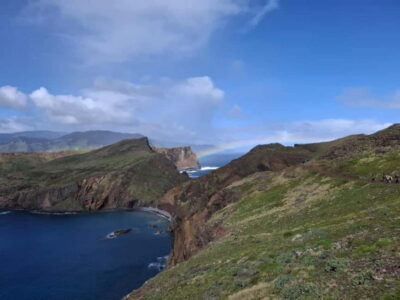
PR8 -Ponta de São Lourenço Natural Reserve Transfer
Read our review →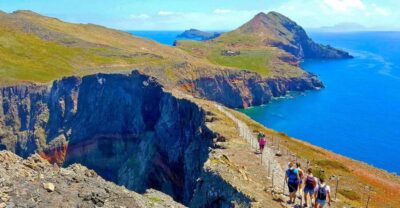
Arieiro Peak, Santana & Ponta São Lourenço in Open Roof 4X4 Tour
Read our review →
Arieiro, Santana, Ponta de São Lourenço Jeep Tour
Read our review →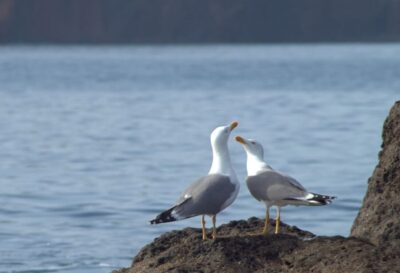
Quinta do Lorde: Kayak Experience in Ponta de São Lourenço
Read our review →

Snorkelling Trip at Ponta de São Lourenço Protected Area
Read our review →Browse the lists this tour appears in