
Reviewed · MADEIRA
Climbing Madeira
In This Review
- First ropes, real technique
- Key highlights at a glance
- Why Ponta de São Lourenço works for first-time climbers
- The 8:00 am start, and why the timing feels smart
- Price and value: what you get for $96.11
- What “all gear included” really means on the ground
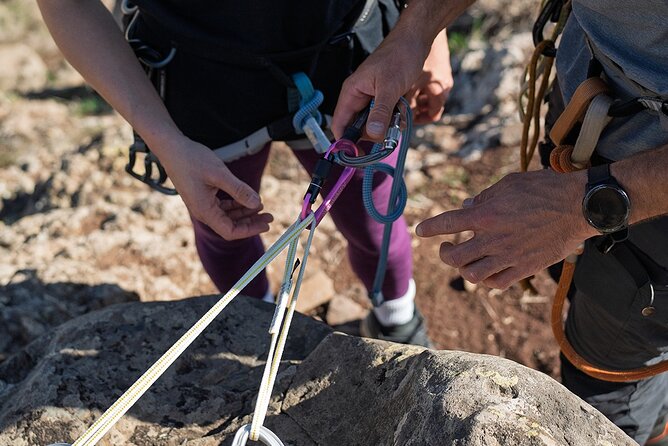
- Belay coaching: learning the rope partner job
- The climbing session at Ponta de São Lourenço: what to expect
- José and the “chill but serious” guiding style
- Snacks, water, and the small practical comfort wins
- Weather and fitness: the reality check you should plan around
- Who this climbing lesson is best for
- Should you book Climbing Madeira?
- FAQ
- What is the duration of the Climbing Madeira experience?
- Where does the experience start?
- What time does the activity begin?
- What is included in the price?
- Is lunch included?
- How many people are in the group?
- What if the weather is bad?
- Is there free cancellation?
First ropes, real technique
Learning to climb is one thing, learning to stay safe while you do it is another. This beginner-friendly session at Ponta de São Lourenço is built around safety, technique, and doing actual rope work, not just standing around. I like that you get all climbing gear included, and I also like the focus on belay coaching so you’re actively involved even when you’re not climbing. One thing to keep in mind, you need good weather, because the activity can be rescheduled or refunded if conditions are poor.
The overall vibe feels friendly and practical. The guide, José, is calm and adjustable, and he adapts to your climbing level instead of forcing a one-size-fits-all route. With a small cap of 8 people, you should expect more hands-on attention than you’d get in a bigger class.
At about 4 hours and starting at 8:00 am from Madeira Climbing Center in Funchal, it’s a great way to “use the morning” for something active before the rest of your day. If you’re expecting a long lunch-style outing, plan around the fact that lunch is not included.
Key highlights at a glance
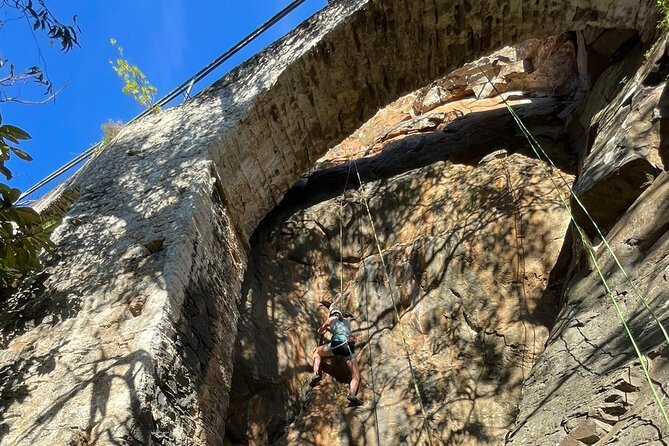
- Small group (max 8): more time for coaching and fewer people to wait behind
- Belay taught, not assumed: you learn rope management so you can actively participate
- All gear included: you show up and get equipped, without shopping for equipment
- Snacks included: fresh fruit, healthy bars, and water help keep energy steady
- José adapts to your level: honest skill levels are encouraged so you get the right challenge
- Beginner-focused at Ponta de São Lourenço: technique first, fun always
Why Ponta de São Lourenço works for first-time climbers
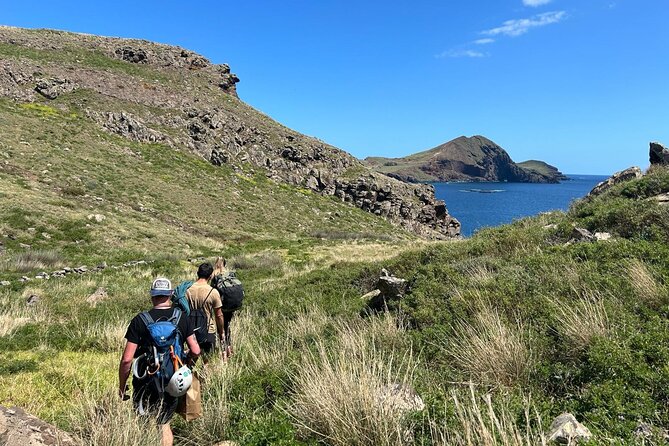
Ponta de São Lourenço is the kind of place that makes you want to learn the right way. You’re not just practicing in a generic training space, you’re climbing in a real outdoor setting at one of Madeira’s standout locations. That matters because it shifts your mindset from, “I’m trying something,” to, “I’m learning a skill I can use safely.”
This experience is designed for beginners and for people who want to improve technique. That usually means you’ll spend your time on fundamentals: how you move, how you communicate, and how you handle rope systems. The best part is that you’re not pushed to be a natural athlete to have fun.
From the details here, I’d expect the day to be structured around safety and learning. That’s valuable because climbing can look simple until you’re on the route and you realize you’re responsible for your partner’s safety too. This format helps you understand that earlier rather than later.
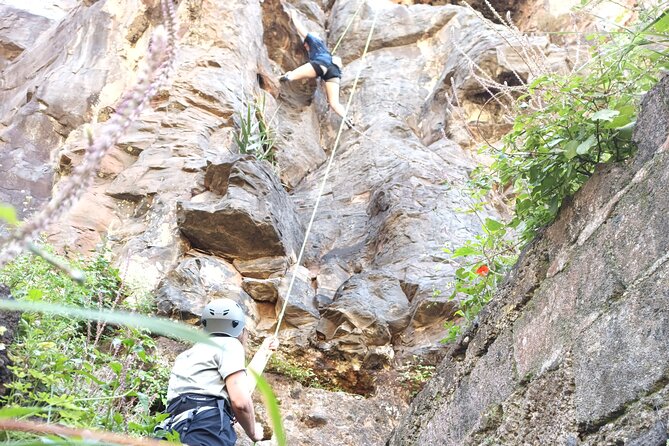
Volcanic rock face routes for every level
The 8:00 am start, and why the timing feels smart
The day begins at 8:00 am at Madeira Climbing Center, R. Conde Carvalhal 26E, 9060-011 Funchal, Portugal. Starting early is practical on Madeira. You get a full chunk of the day left after a roughly 4-hour activity, and you’re often less stuck in peak daytime heat and crowding.
It also gives your brain a clean slate. Rope skills and safety checks are easier when you’re not rushing. You’ll have time to get the gear sorted, ask questions, and settle into the plan.
One more reason I like this timing: it fits into a wider Madeira itinerary. If you’re doing hikes or exploring nearby, this is a “build-in” morning activity that doesn’t steal an entire day. And since the group is limited to 8 travelers, the schedule is likely to feel orderly rather than chaotic.
Price and value: what you get for $96.11
At $96.11 per person, this is not a “cheap-and-cheerful” activity, but it also isn’t pricing itself like a premium private expedition. The value is in the way it packages instruction plus equipment plus snacks into a short half-day block.
Here’s the important part: all climbing gear is included. Gear is expensive, and it’s also the kind of thing that can derail a good day if you buy the wrong size or the wrong type. Getting it handled for you is real value.
Then there’s the instructional focus. The experience includes how to belay, which means you’re learning rope management, not just watching someone else do it. That’s a skill you can carry forward, and it tends to make the whole outing feel more meaningful.
Finally, you’re also covered for energy. You’ll get fresh fruit, healthy bars, and fresh water. That sounds small until you’re midway through an active morning and your body realizes it needs fuel. With lunch not included, this snack setup helps fill the gap without overcommitting the schedule.
If you’re on a tight food budget or hate spending half your morning searching for breakfast after an activity start, this format makes planning easier.
What “all gear included” really means on the ground
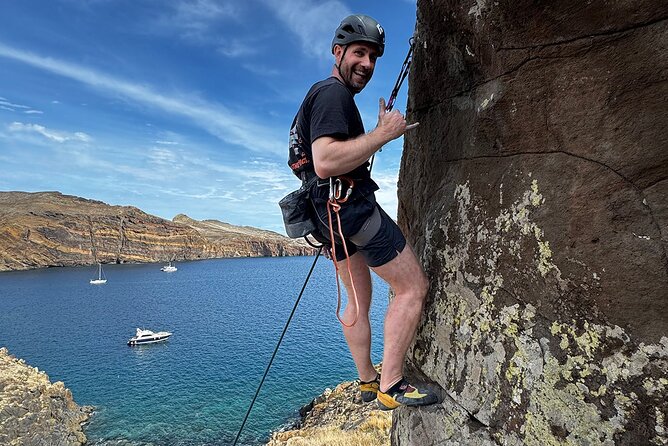
“All climbing gear included” is one of those phrases that can be vague in some tours. Here, it matters because it supports the core promise: education, safety, and fun. In practice, it means you won’t have to show up already equipped and guessing.
For a beginner climb, this matters because fit and setup change everything. A harness that fits right and equipment that’s checked properly makes it easier to focus on technique. It also reduces the “wrong gear panic” that can make people hold back.
It also keeps the group moving. You’re not losing time while multiple people sort out rentals or ask staff to interpret sizes. In a short 4-hour session, that time adds up.
And because the experience includes belay instruction, gear readiness is even more important. Rope handling depends on the right setup and consistent safety routines.
Belay coaching: learning the rope partner job
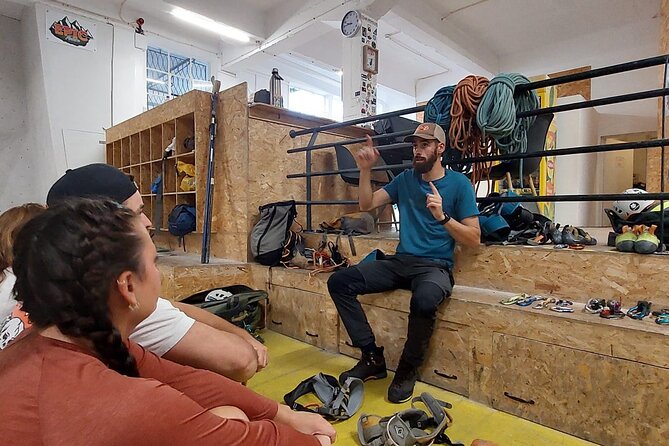
The experience includes how to belay, specifically described as “managing the rope for your climbing partner,” so you take an active role. This is one of the most practical parts of the whole experience, and it’s why I think it’s worth more than a basic intro.
Why? Because belaying is the skill that turns climbing from solo hobby to shared responsibility. Once you understand rope management, you can climb with more confidence, and you can partner more safely.
Also, learning belay changes how you experience the day. You’re not stuck waiting your turn, and you’re not just “standing nearby and hoping.” You get a role, and you understand what your partner needs.
From the way the experience is described, expect this to be taught in a beginner-friendly way. And from the guide’s approach, José is not there to judge your progress. He’s there to help you practice what you need at the level you’re at.
Pair this with something on the other coast:
- From Funchal: Ecological Catamaran Dolphin Whale Watching★ 4.5 · 8,204 reviews
- Madeira: Skywalk, Porto Moniz, Seixal, and Fanal 4WD Tour★ 4.9 · 7,905 reviews
- Funchal: Dolphin and Whale Watching Catamaran Cruise★ 4.5 · 5,697 reviews
The climbing session at Ponta de São Lourenço: what to expect
Your main stop is Ponta de São Lourenço. Plan for a lesson-style climbing session, not a long multi-route trek. This is a beginner-focused format, so the routes and exercises should be designed to teach you how to move safely and effectively.
You should also expect an emphasis on technique and education. That likely means you get instruction before you climb, and you get coaching while you’re practicing. With a max of 8 people, it’s easier for a guide to watch, correct, and reset when needed.
Here’s the detail that stands out: José adapts to individual climbing skills. If you’re honest about your ability, you get the right level of challenge instead of being pushed into something too hard. That’s not just comfortable, it’s safer and more efficient.
I’d treat this like a skills workshop with climbing as the payoff. You will probably learn more than you expect because belay and climbing technique are usually connected. When you understand your role as a belayer, you often climb differently too, because you’re calmer and more aware of the system.
José and the “chill but serious” guiding style
The guide, José, is described as a chill guy, and it’s also noted that he is one of the Route-Setters. That matters. Route-setters think in terms of movement, safety, and how different bodies can handle a hold or a sequence. It’s a good sign when the person teaching you also understands how routes are made.
The other useful takeaway from his style is the adaptation. The message is simple: be honest about your skills. If you do, he can adjust the session to keep it fun and manageable, while still teaching you something new.
If you’re nervous about trying climbing, a guide who adjusts to your level can make a big difference. You can focus on learning without feeling embarrassed.
And if you’re more confident but still a beginner, you’ll likely appreciate that he does not teach in a rigid way. You still get safety instruction, but you’re not held back by a generic beginner pace.
Snacks, water, and the small practical comfort wins
This is a 4-hour morning session, and the included food list is exactly what you want for that length of time: fresh fruit, healthy bars, and fresh water.
I like this because it supports two realities:
- Your body needs quick energy for active climbing practice.
- You don’t want to waste time during the session by stopping for food.
With lunch not included, you should plan to eat after the activity. If you’re the type who gets hungry easily, I’d suggest eating a solid breakfast before the 8:00 am start so you’re not arriving already drained.
Also, having water provided helps you stay focused. Dehydration makes everything feel harder, especially when you’re learning technique and coordinating movement and rope systems.
Weather and fitness: the reality check you should plan around
This experience requires good weather. If it gets canceled due to poor weather, you’ll be offered a different date or a full refund. That means you should not build tight timing constraints around it, especially if you have other plans right at the same time.
On fitness, the guidance says a moderate physical fitness level is required. For most beginners, that means you should be comfortable with some active movement, not that you need to be in gym-athlete shape. But climbing can involve using your arms and legs in ways you might not do elsewhere.
If you have concerns about wrist, shoulder, knee, or back comfort, it’s smart to think about that before booking. The experience is designed for beginners, yet it’s still physical.
Finally, the group size stays small at up to 8. Smaller groups can mean more attention, but they can also mean you should show up ready to participate and follow safety instruction quickly.
Who this climbing lesson is best for
This is a strong fit if you:
- Want a beginner-focused way to learn climbing technique in Madeira
- Care about learning belay properly, not just climbing
- Prefer a small group with more coaching time
- Like active mornings and want a half-day plan
It’s especially good if you’re nervous about technical safety. The structure here is built around instruction and safety, and José’s adaptive approach helps keep the session honest and doable.
If you’re someone who only wants to climb and not learn partner responsibilities, you might find the belay focus a bit more time than you expected. But if you want to improve as a climber, that belay lesson is a big part of the real skill set.
Should you book Climbing Madeira?
I’d book this if you want a practical first climbing experience that takes safety and rope skills seriously, without turning it into a long, complicated day. The value is strongest when you factor in all gear included, snacks and water, and the belay coaching that makes you an active participant.
Book it with the right expectations: it’s about learning, not about doing a huge route marathon. It also depends on good weather, so keep your calendar flexible.
One last decision tip: if you’re the kind of person who benefits from clear instruction and hands-on correction, this should feel like the right match. And if you can be honest about your current ability, José’s adaptive style is exactly the kind of guiding that helps beginners progress without stress.
FAQ
What is the duration of the Climbing Madeira experience?
It lasts about 4 hours.
Where does the experience start?
It starts at Madeira Climbing Center, R. Conde Carvalhal 26E, 9060-011 Funchal, Portugal.
What time does the activity begin?
The start time is 8:00 am.
What is included in the price?
All climbing gear is included, along with snacks (fresh fruit, healthy bars, and fresh water) and instruction on how to belay.
Is lunch included?
No, lunch is not included.
How many people are in the group?
The experience has a maximum of 8 travelers.
What if the weather is bad?
The activity requires good weather. If it’s canceled due to poor weather, you’ll be offered a different date or a full refund.
Is there free cancellation?
Yes. You can cancel up to 24 hours in advance for a full refund.
Latest additions across the island
- Madeira: East Coast Cabriolet Road Trip
★ 5.0 · 1 review - Tuk Tuk Botanical Garden – Madeira Island
★ 5.0 · 1 review - Funchal: Sunrise Private Sailing Trip with Breakfast
★ 5.0 · 1 review - Madeira: Levada Referta – Castelejo Guided Walk
★ 4.0 · 1 review - Garajau Coastal Hike and Cliff Jumping
★ 5.0 · 1 review - Monte Tropical Gardens and Old Town Tuk Tuk private tour
★ 5.0 · 1 review - Full-Day Tour: Santana Houses, Pico do Arieiro, Free Rum Tasting
★ 5.0 · 1 review