
Reviewed · MADEIRA
Bat Watching Madeira
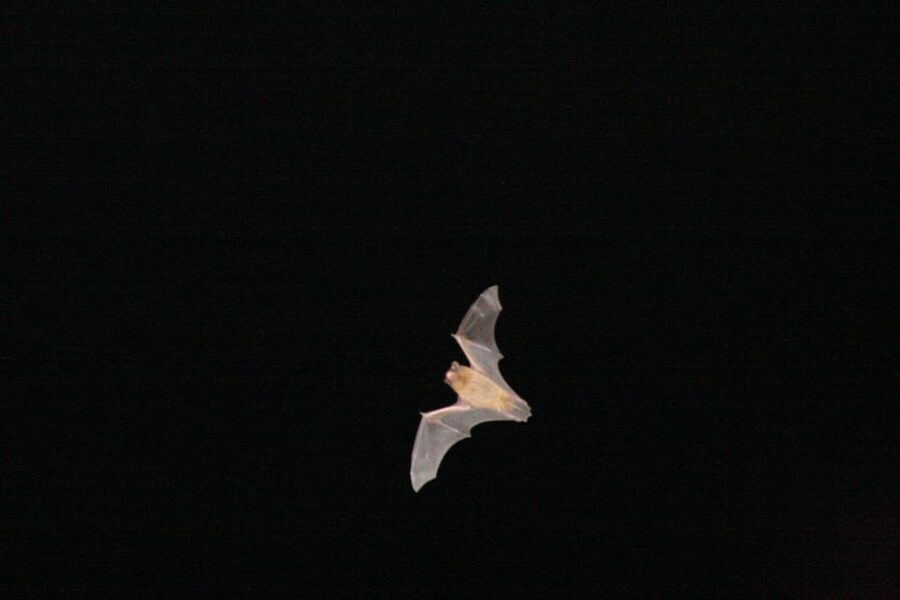
Night scanning for Madeira’s bats feels like science. This is one of the few tours on the island devoted to these elusive native mammals, where you listen in real time and try to spot them as they hunt and socialize. I like the hands-on setup with ultrasound detectors and the chance to learn using thermal sensors when conditions cooperate.
Two things I really appreciate here: the guide is a true bat specialist, and the experience is built around conservation, not just sightseeing. The one thing to keep in mind is that a cool, windy, or humid night can make visuals tougher, so you may end up hearing bats more than seeing them.
You’ll spend about 3 hours with a naturalist, in a small group capped at 8 people, with observation materials included and hotel or cruise transfers inside Funchal. If you’re coming from outside Funchal, you’ll need to coordinate pickup options ahead of time.
In This Review
- Key points before you go
- What Makes Bat Watching Madeira So Special
- Your 3-Hour Flow: Multiple Listening Stops and Hands-On Observation
- What each stop is likely to feel like
- Equipment Focus: Ultrasound Detectors and Thermal Cameras
- What you should expect to learn while using the tools
- Sergio’s Conservation Teaching Makes It Stick
- Weather Reality: When You Might Hear More Than You See
- What to do if sightings are slow
- Price and Value: Is $47 for 3 Hours Worth It?
- Transfers: what you should know
- Who Should Book This Bat Watching Tour?
- Practical Tips: What to Bring for a Cold, Active Night
- Should You Book Bat Watching Madeira?
- FAQ
- How long is the Bat Watching Madeira tour?
- How much does Bat Watching Madeira cost?
- What language is the tour guide?
- Is the group small?
- What is included in the price?
- Do I need to arrange pickup if I am outside Funchal?
- What should I bring?
- Is alcohol allowed?
Key points before you go
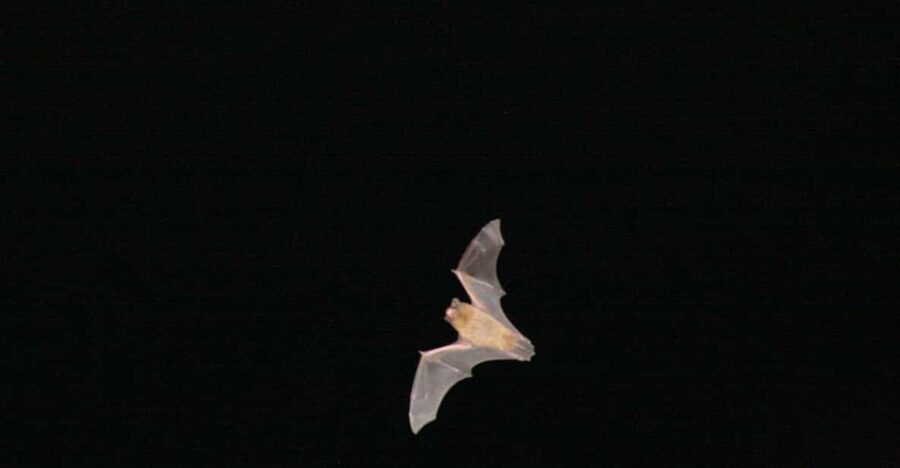
- Native-only focus: Madeira’s bats are the island’s only native land mammals.
- Real-time ultrasound listening: You’ll use detectors to pick up bat activity while you’re out there.
- Thermal tools if conditions allow: Thermal sensors and cameras are part of the concept, though night conditions can affect what you see.
- Sergio leads the learning: A bat specialist and professor who ties the night back to conservation work.
- Short, practical 3-hour format: Enough time for several listening stops without turning it into an all-night ordeal.
What Makes Bat Watching Madeira So Special
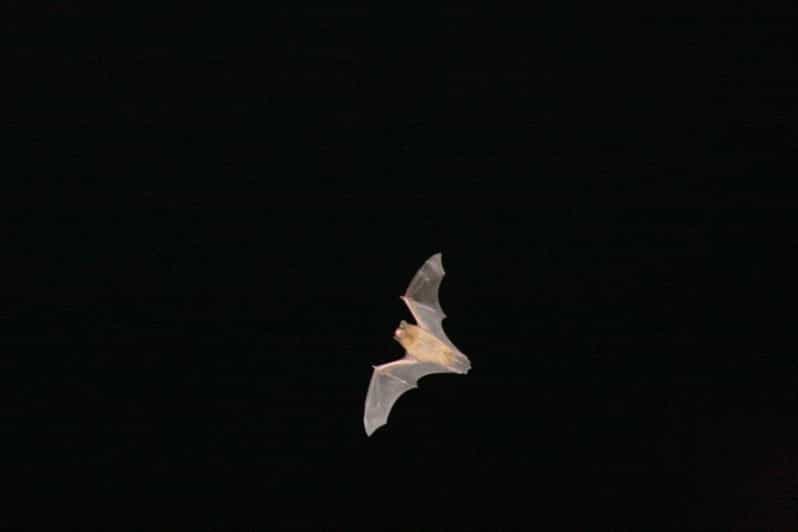
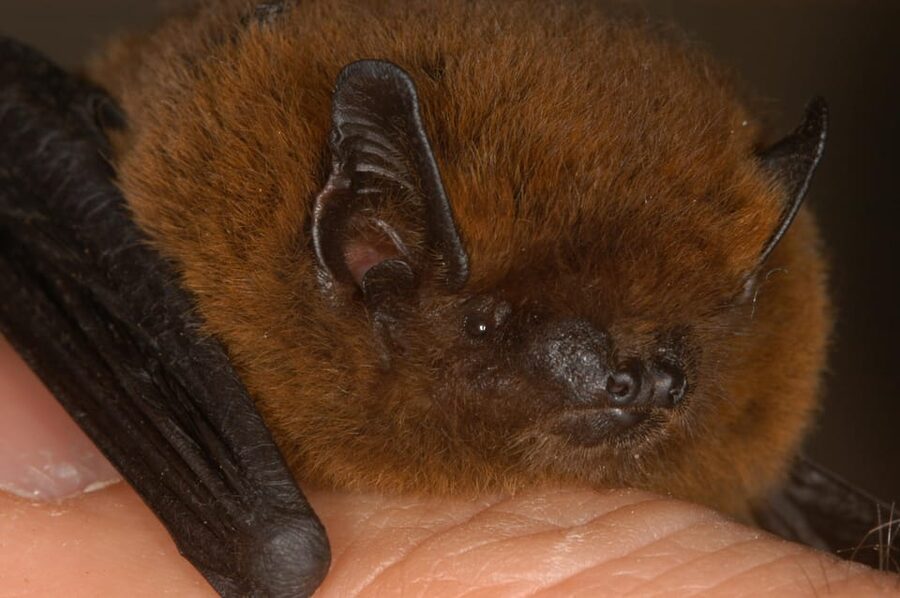
Madeira’s bats are not background wildlife. They’re the main event, and they’re doing what bats do best at night, hunting by sound and timing their moves with the world around them. What makes this tour feel different is that it treats bats like a living research topic, not a distant dot you hope to spot.
I also like how the tour frames bats as endangered and native, which changes your mindset. When you understand that these animals are limited to this island and tied to conservation, your listening session becomes more than a novelty. You start paying attention to behavior, feeding, and the way they interact with the landscape and each other.
Finally, it’s built for small groups. With a limit of 8 participants, it’s easier to hear instructions, pass questions to the guide, and move between observation points without feeling like you’re stuck behind a crowd.
Your 3-Hour Flow: Multiple Listening Stops and Hands-On Observation
This tour runs for 3 hours, and you’ll move through several observation sites during that time. The goal is simple: each stop gives you a fresh chance to detect bat calls, and sometimes to see bats once activity ramps up.
Think of the evening as a cycle:
- You arrive at a listening spot and get brief guidance on what to look for.
- You scan using ultrasound bat detectors, listening for activity patterns.
- If conditions line up, you use thermal tools to help with visual confirmation.
- You regroup, compare what you’re picking up, and move to the next location.
That “multiple spots” format matters. Bats are not evenly distributed, and night conditions can change fast. A spot that’s slow for one group may suddenly turn active as the weather shifts or as hunting patterns change.
There's more of Madeira past Madeira


What each stop is likely to feel like
- First stop: A setup and calibration phase. You get oriented fast so you know what bat activity sounds like on the detector and what the guide is watching for.
- Middle stops: The “learning in action” phase. This is when you typically catch more calls and start connecting what you hear with what you might see.
- Final stop: A last-chance push. If the night is cooperating, you’ll focus on confirming activity and making sense of behavior like hunting and social interaction.
If the weather is rough, the experience still works because the main “superpower” is listening. Even when you do not catch visuals, you can usually understand the night’s activity level from the detector readings and the guide’s explanations.
Equipment Focus: Ultrasound Detectors and Thermal Cameras
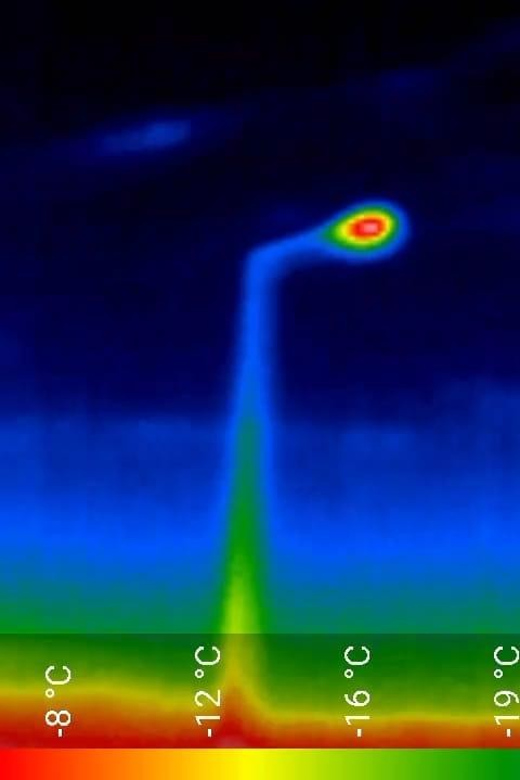
The big technical draw here is using ultrasound bat detectors. Bats emit calls in ranges humans cannot hear directly, so detectors translate those signals into something you can perceive during your walk. Practically, that means you can actively participate, not just point and hope.
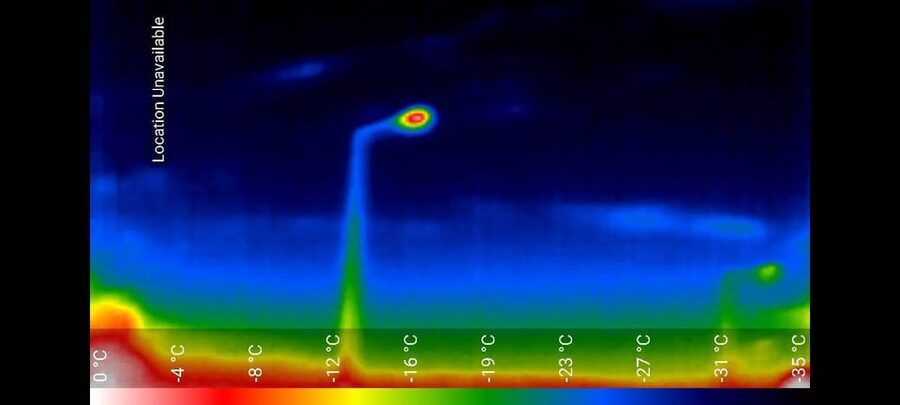
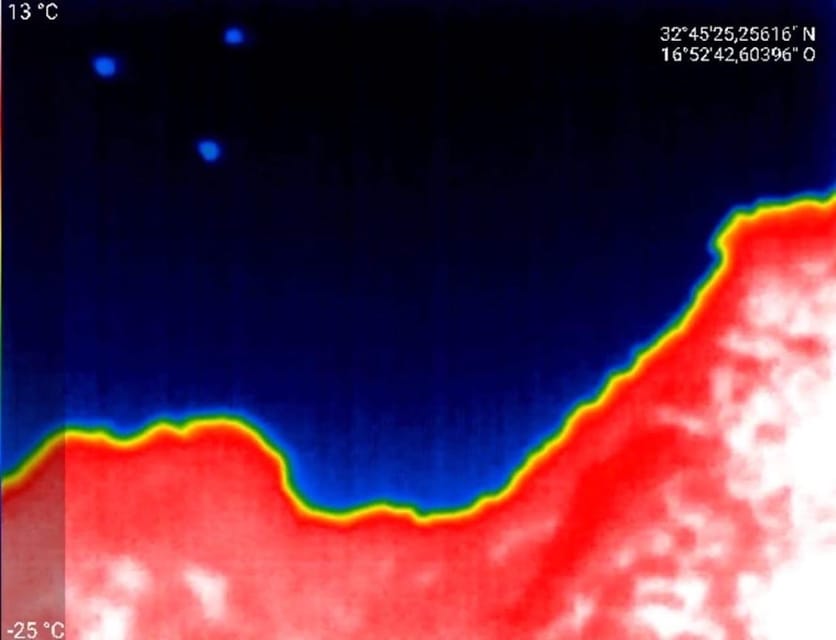
You’ll also use thermal tools as part of the experience. The concept is to add another layer of confirmation so that when a bat appears, you have a better chance of seeing it clearly. That said, night conditions can affect what the thermal tools show, and one key piece of advice is to stay focused on the detector work as your reliable signal.
What you should expect to learn while using the tools
Even without naming every species in detail, the learning goals are clear. You’ll understand:
- How bats hunt, based on where prey is and how bats move at night
- How they defend feeding areas, meaning you’re not just watching random flights
- How they socialize, so some movements and repeated passes can make more sense than they would alone
The guide also shares images and species information during the night, which helps you connect your listening session to real biology. That’s what turns this from “we heard something” into “we understood what we were hearing.”
Sergio’s Conservation Teaching Makes It Stick
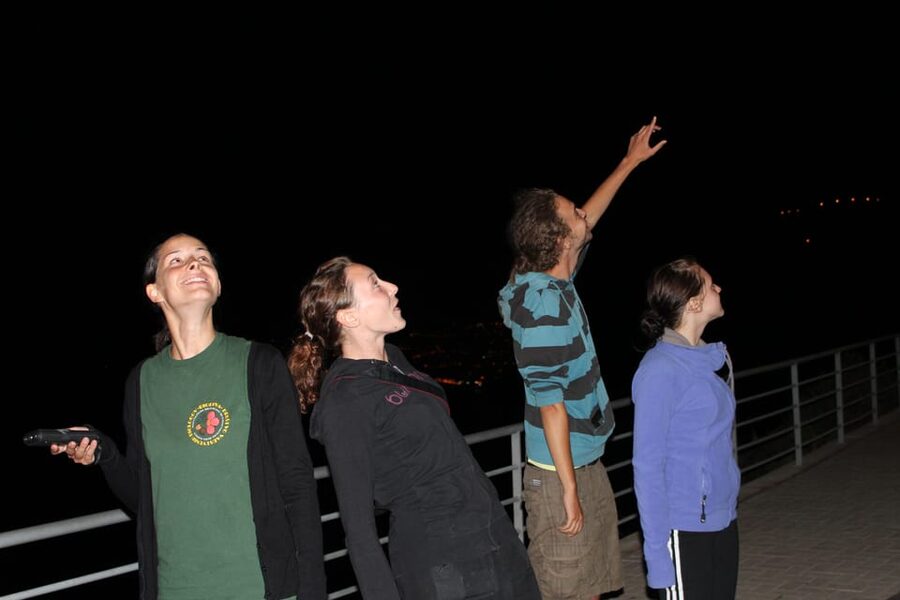
One reason this tour has standout energy is the person leading it. Sergio is described as a bat specialist and professor with involvement in conservation programs, and the way he explains the topic is part of what makes the night feel like education you actually want to stay for.
When a guide knows the field, you stop treating the detector like a gadget and start treating it like a window. Sergio’s explanations connect the sounds you catch to what bats are doing, and that connection is why families and kids can stay engaged too.
I also like that the tour includes images and information about the species. On a night where visibility can be unpredictable, having the learning content in your head keeps the experience from turning into pure waiting.
Pair this with something on the other coast:
- Madeira: Best of the East Tour from Funchal★ 4.7 · 3,364 reviews
- Funchal: Old Town Walking Tour★ 4.7 · 3,233 reviews
- Funchal Bay: Dolphin & Whale Watch Luxury Catamaran Cruise★ 4.2 · 2,684 reviews
Weather Reality: When You Might Hear More Than You See
Bat watching has a simple rule: nature decides how dramatic the visuals are. If the night is windy, humid, or otherwise unpleasant, that can reduce your chances of spotting bats on the wing, even if they are still out hunting.
That’s not a failure. It’s a normal part of how these tours work. Your detector can still pick up calls, and learning is still the point.
What to do if sightings are slow
- Stay warm and pay attention to instructions. Cold fatigue makes it harder to focus.
- Let the guide lead the search between stops. Where you stand matters.
- Treat hearing the bats as a real outcome. If the night is call-heavy, you are still getting the core experience.
In other words, aim for participation. Don’t demand that the sky produce bats on schedule. If the sky is quiet, you’ll still come away with a clearer understanding of bat life on Madeira.
Price and Value: Is $47 for 3 Hours Worth It?
$47 per person for a 3-hour night tour is not cheap, but it also isn’t a random ticket to a dark walk. You’re paying for several concrete things:
- A naturalist guide with specialization in bats
- Observation materials (including ultrasound detectors, and thermal tools as part of the program)
- Images and information about the species
- A hot beverage
- Transfers within Funchal area
Value is also about how focused the tour is. This is not a general nature walk with a few wildlife facts. It’s specifically dedicated to Madeira’s bats, which means the route, timing, and teaching are designed around bat behavior.
Small-group size helps too. When you’re with up to 8 people, your questions are more likely to get answered on the spot, and the guide can adjust the pace based on what the detector picks up.
Transfers: what you should know
Hotel and cruise transfers are included within Funchal. If you are outside Funchal, pickup is not guaranteed as part of the listed setup, so you’ll need to contact the operator about possible alternative locations.
Who Should Book This Bat Watching Tour?
This tour is a great fit if you:
- Love science, nature, or “learn by doing” experiences
- Want a different Madeira night activity beyond restaurants and viewpoints
- Are traveling with kids who enjoy questions and hands-on tools
It’s also a good choice for families because it’s structured, guided, and designed around understandable concepts. One of the strongest bits of feedback about this style of tour is that children can stay interested when the guide is explaining what the equipment means and why bats behave the way they do.
You might want to think twice if you only want guaranteed visual spectacle. Bat sightings can be affected by weather, and the experience is built to work even when you mostly hear bats. If you’re okay with that, you’ll probably be happy. If you’re not, set expectations early.
Practical Tips: What to Bring for a Cold, Active Night
For this kind of evening, clothing matters. You’ll be standing around at listening sites and walking a bit at night, so plan for both comfort and warmth.
Bring:
- Comfortable shoes
- Warm clothing
- Comfortable clothes you can move in
Dress for the reality that Madeira nights can feel chilly, especially if there’s wind or humidity. Even with a hot beverage included, layering is smart.
Also note the rules: no alcohol and no drugs. That keeps the group quiet and focused, and it helps everyone handle the detectors and thermal tools safely.
And one more practical tip: arrive ready to listen. Once you start tracking the detector signals, it’s easy to get excited, but staying calm and attentive is what helps you notice patterns the guide is describing.
Should You Book Bat Watching Madeira?
If you want a meaningful night activity in Madeira, this is a strong pick. It’s focused, educational, and hands-on, with a specialized guide and equipment that turns the night into real observation. The small group size and the conservation angle add weight, so you feel like you’re learning something specific, not just having a fun evening.
Book it if you can handle the idea that bat sightings depend on the weather. You’re paying for the learning and the listening capability, not just a perfect show in the sky. And if you’re with kids, it’s one of those rare experiences where questions come naturally and the tools keep everyone involved.
FAQ
How long is the Bat Watching Madeira tour?
The tour lasts 3 hours.
How much does Bat Watching Madeira cost?
It costs $47 per person.
What language is the tour guide?
The live tour guide speaks English and Portuguese.
Is the group small?
Yes, it is limited to 8 participants.
What is included in the price?
Included are a naturalist guide, observation materials, images and information about the species, a hot beverage, and transfers within the Funchal area.
Do I need to arrange pickup if I am outside Funchal?
If you are outside the Funchal area, transfers are not included and you should contact the operator for possible alternative pickup locations.
What should I bring?
Bring comfortable shoes, warm clothing, and comfortable clothes.
Is alcohol allowed?
No, alcohol and drugs are not allowed.
Latest additions across the island
- Madeira: East Coast Cabriolet Road Trip
★ 5.0 · 1 review - Tuk Tuk Botanical Garden – Madeira Island
★ 5.0 · 1 review - Funchal: Sunrise Private Sailing Trip with Breakfast
★ 5.0 · 1 review - Madeira: Levada Referta – Castelejo Guided Walk
★ 4.0 · 1 review - Garajau Coastal Hike and Cliff Jumping
★ 5.0 · 1 review - Monte Tropical Gardens and Old Town Tuk Tuk private tour
★ 5.0 · 1 review - Full-Day Tour: Santana Houses, Pico do Arieiro, Free Rum Tasting
★ 5.0 · 1 review