
Reviewed · FUNCHAL WALKING TOURS
Funchal: Old Town Walking Tour
Old Funchal tells stories fast. This 2-hour walking tour is a smart way to orient yourself in the center while you learn how Madeira’s sugar, embroidery, and church power shaped the city you see today. I especially like the way it mixes big-name sights with smaller, practical stops, and you can feel that the tour is built for real understanding, not just sightseeing.
Two things I like most: you get inside the history of Madeiran sweets and the Farmers’ Market, and you also connect the dots from sugarcane industry to places like Colombo Square and the Cathedral. One consideration, though: you will walk over cobbles with a few inclines, so bring good shoes and take your time if your feet are sensitive.
In This Review
- Key highlights you should care about
- Where the tour begins at the Jesuits’ College, and why that matters
- City Hall’s quiet interior, then a 19th-century sweet factory
- Farmers’ Market and the embroidery-era street lesson
- Santa Maria Street, Admiral’s Garden, and fortifications tied to flooding
- Colombo Square sugar stories, a Columbus link, and the Cathedral era
- Municipal Garden, a traditional wine lodge, and what to expect from the wine stop
- The Jesuits’ Church and ending where you started
- Price, pacing, and who this walk is for
- Should you book this Old Town Walking Tour?
- FAQ
- Where do I meet the guide?
- How long is the walking tour?
- What languages are available for the guide?
- Is the tour wheelchair accessible?
- Is food or drinks included?
- Can I cancel and get a refund?
Key highlights you should care about
- Small-group feel that lets you ask questions and take photos at a comfortable pace.
- Farmers’ Market + sweet factory stops that explain daily life and industry, not just architecture.
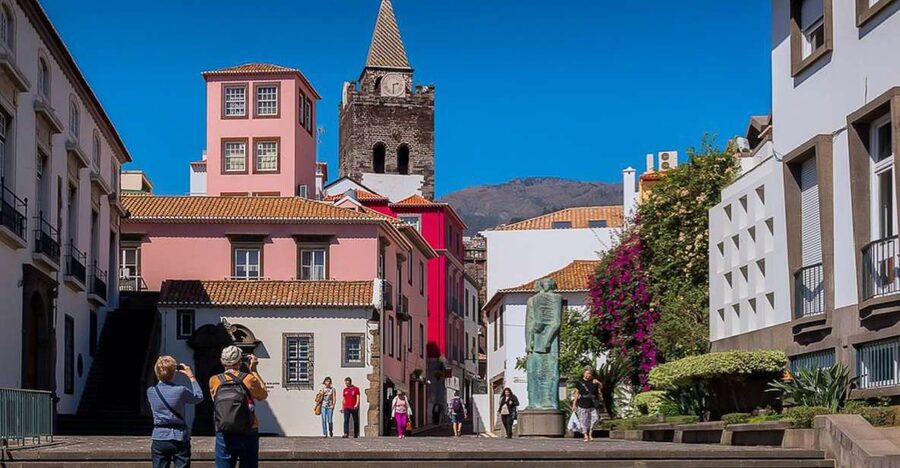
- Medieval Santa Maria Street and the Admiral’s Garden route that turns walking into a history lesson.
- Sugarcane storytelling at Colombo Square, including the island’s surprising link to the discoverer of the Americas.
- Cathedral and Jesuits’ College visits that show Madeira’s religious and political reach.
- Your ticket supports student initiatives, with educational outreach and student support programs tied to the University of Madeira.
Where the tour begins at the Jesuits’ College, and why that matters
Your tour starts at the Colégio dos Jesuítas do Funchal at the University of Madeira, on Rua dos Ferreiros, next to D’Oliveiras Madeira Wine. The key detail: the meeting point is not inside the church and not out on the street corner somewhere vague. You’re looking for the University entrance with glass doors and the University of Madeira signage beside the Jesuits’ Church.
Arrive about 10 minutes early. That little buffer is worth it because the tour is set up for an orderly start, and you do not want to rush your first stop. This matters even more on cruise days, when the center fills up and streets get tight.
When you’re ready, your guide takes you into the story of Madeira and Funchal from the spot where the Jesuits’ presence is still physically part of the city. It’s a good kickoff. Instead of starting with random landmarks, you start with the institutions that helped shape the island’s social order, trade, and education.
City Hall’s quiet interior, then a 19th-century sweet factory
One of my favorite parts of this tour is that it starts with a less obvious look at the city, not immediately another photo spot. You begin with a visit to a hidden-in-plain-sight stop inside Funchal City Hall, with a photo opportunity included. It’s a reminder that the most interesting stories in Funchal are often tucked behind doors you would not think to try.
Then you shift into an industry story with real taste of place: the tour visits a traditional sweet factory founded in the 19th century. Even if you are not a dessert person, this kind of stop is useful because it explains how the island’s economy touched everyday life. Madeira was not only about exports. It was also about production, local craft, and food habits that still show up in markets and shops today.
You will then continue onward toward the markets, walking through the kinds of streets that locals use to get things done. This keeps the tour from feeling like a museum route. It feels like a working city route, just with the history explained clearly.
The capital on foot, one detour at a time



Farmers’ Market and the embroidery-era street lesson
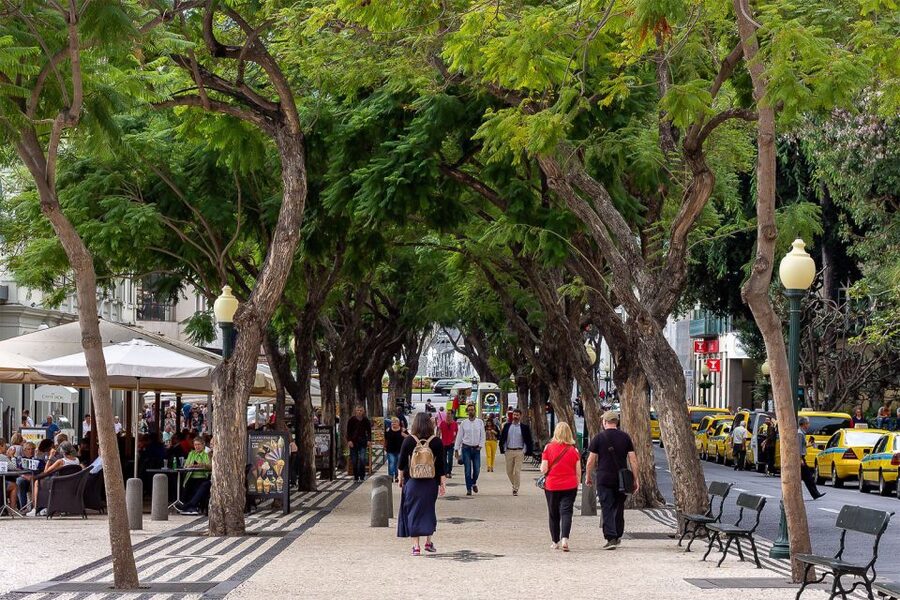
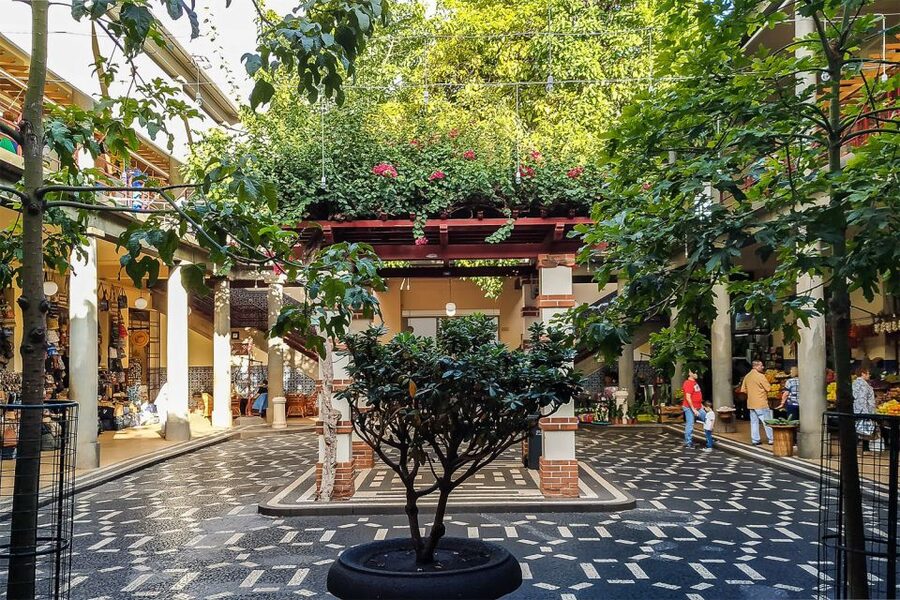
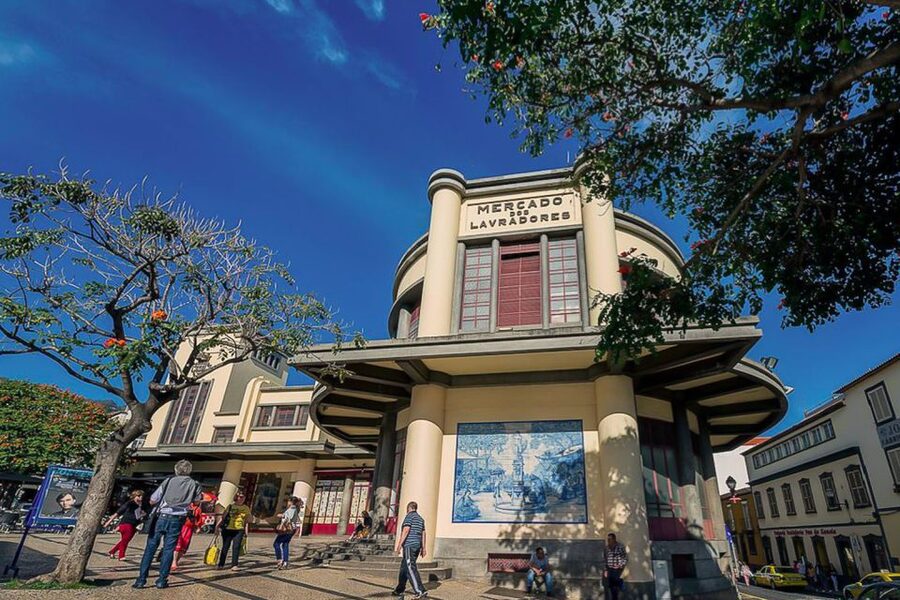
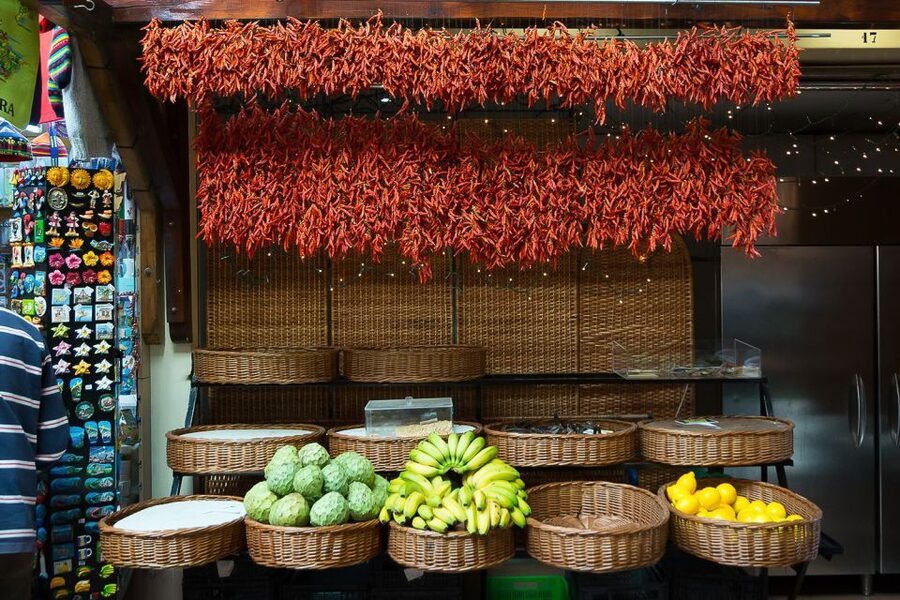
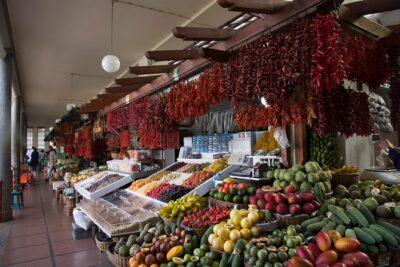
The Farmers’ Market in Funchal is the centerpiece you want on day one. It’s not just a place to browse. The guide walks you through what you are seeing and connects it to older Madeira industries. That is the value here: you understand why a market looks and functions the way it does, instead of treating it like a generic stop.
One practical detail: after meeting the sweet factory history, the route passes along one of the city’s busiest streets while your guide explains early days of Madeira’s embroidery industry. This is the type of moment that makes you notice what you would otherwise miss. Threads, hands, trade, and daily labor all come up in a way that feels grounded.
The tour then gives you time to explore with the guide, and the structure is usually paced so you can stop for photos and still keep moving. Many people in the tour experience describe the pace as just right, and guides like Annabelle, Elias, and Elea are repeatedly praised for answering questions patiently and adjusting the tempo when the group wants extra time.
Santa Maria Street, Admiral’s Garden, and fortifications tied to flooding
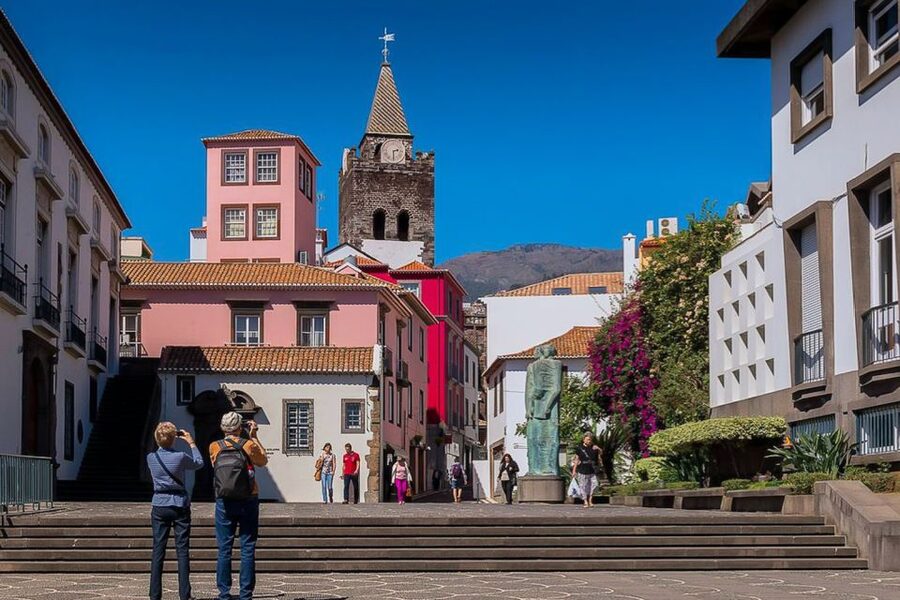
Once you leave the market area, the tone changes toward older city bones. You head through Rua de Santa Maria, a medieval street where the city’s age shows up in the street layout and the feel of the corners. It’s also where you start seeing the city not as a set of monuments, but as a place that had to defend itself.
Next is the Admiral’s Garden, with stops around the ruins of an old fortress near the riverbeds. The explanation is important: these areas were once walled to protect the city from flooding. That makes the route more interesting, because you realize the fortifications were not only about war. They were about survival. Water was part of the city’s challenge.
If you like history that connects directly to geography, this section is for you. It turns a short walk into a lesson on city planning and adaptation. It also helps you understand why certain areas feel structured and strategic, even when they look calm today.
Colombo Square sugar stories, a Columbus link, and the Cathedral era
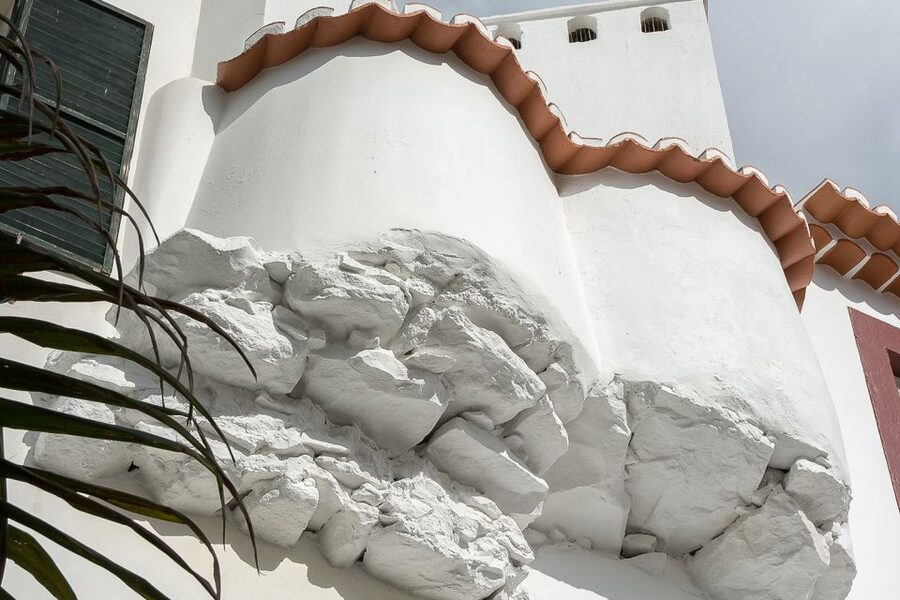
At Colombo Square, you get the big Madeira economic theme: sugar. The tour connects sugarcane and industry to the city’s growth, and you also hear a surprising story tied to the discoverer of the Americas, who once lived on the island. That link is the kind of detail that makes the whole tour feel sharper, because it links Madeira’s past to wider world events.
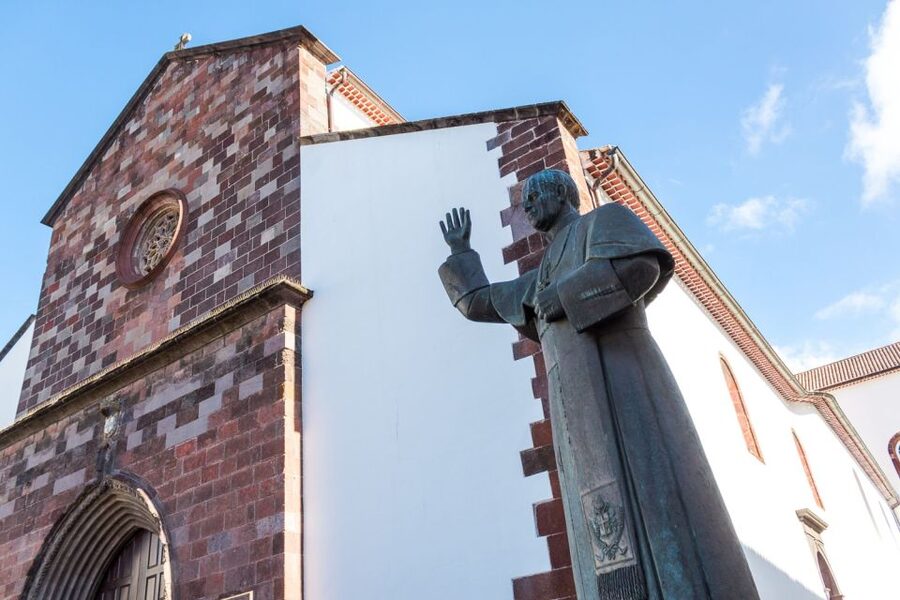
From there, you move through major civic and religious territory. You visit the Legislative Assembly of Madeira area, then pass by and stop near the Funchal Cathedral. The tour frames the Cathedral’s role in the 16th century, when it served as the seat of the largest diocese in the world.
Even if you have visited cathedrals elsewhere, this one lands differently because the guide ties it back to power, administration, and how Madeira fit into the wider Catholic network. It’s not only a building. It’s a symbol of what the island was for, culturally and politically, at a key moment in history.
If you get distracted by details, you will probably love the way the tour uses short stops to point you at what to notice: where authority sat, how industry fed wealth, and how religion backed up that structure.
Municipal Garden, a traditional wine lodge, and what to expect from the wine stop
The route continues toward the Jardim Municipal do Funchal, with some key landmarks and viewpoints along the way. This is also where you hit a more sensorial piece of Madeira: a visit to a traditional Wine Lodge.
This stop is useful even if you do not want to become a wine expert. Wine in Madeira is part of the island economy and identity, and the tour’s value is that it keeps it linked to everything else you learned: trade routes, local production, and how Madeira’s goods travelled.
A note based on common tour experiences: many people report a short Madeira wine taste at the end. Your tour info specifically lists a visit to the wine lodge, but not a full meal or broad food plan. So if you want a more certain wine moment, plan to treat the wine taste as a bonus rather than a guaranteed pour.
Also, do not be surprised if your guide points out where to find local favorites afterward. One recurring practical tip from people who joined the walk is that guides often steer you toward classic items like Bollo de Caco and places to return to in the market.
A few more corners of the island worth seeing
- Madeira: Enjoy a Guided Levada Walk in the Rabaçal Valley★ 4.7 · 2,197 reviews
- Funchal: East Madeira Island Guided Tour & Laurissilva Walk★ 4.8 · 1,194 reviews
- Madeira East Island Tour and Levada Walk★ 4.6 · 800 reviews
The Jesuits’ Church and ending where you started
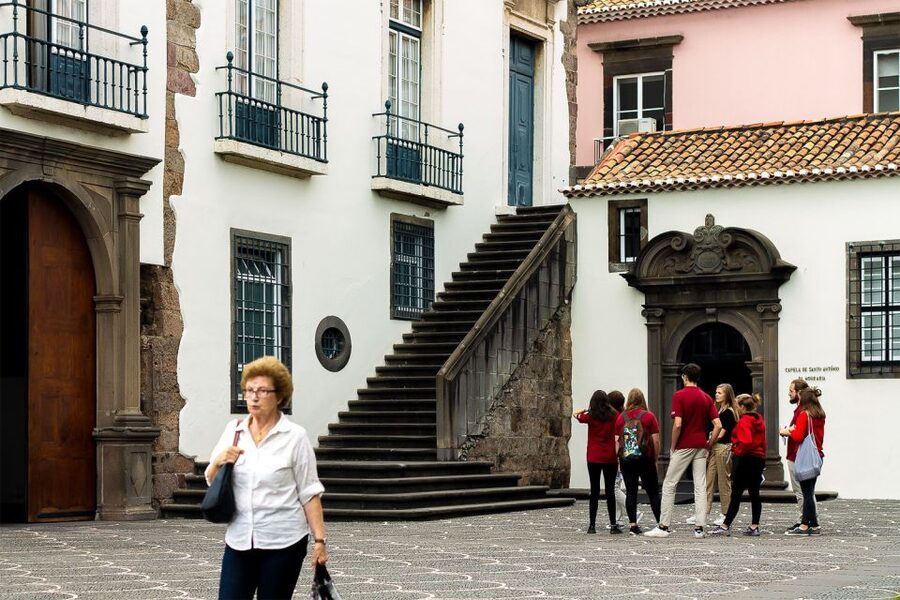
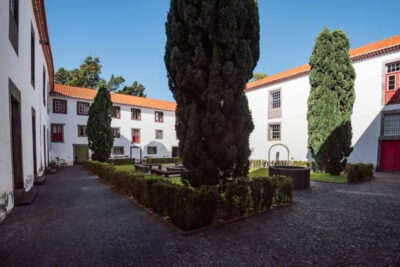
The final portion brings you back toward education and faith, returning to the former Jesuits’ College grounds. You visit Igreja do Colégio (the Jesuits’ Church) and then complete the route back at the former Jesuits’ College of Funchal, founded by King Sebastian of Portugal in the 16th century.
This ending makes sense. You began at the Jesuits’ College, and you finish with the parts of the complex that show why it mattered. The guide is also supported by printed or visual materials, including archive-style images, which helps you connect what you see today to what existed before.
Your tour concludes with drop-off at two locations: Jardim Municipal do Funchal and the Colégio dos Jesuítas do Funchal. That helps you keep your day flexible. You can either linger near the municipal garden or head back into the university area, where you are already close to wine shops and central streets.
Price, pacing, and who this walk is for
At $19 per person for a 2-hour guided route, this is good value if your goal is orientation plus meaningful context. You are not only seeing a handful of monuments. You are visiting multiple places tied to how the island works: market culture, sweet production, wine, religious authority, and civic power.
The pacing is also a big selling point. Many people mention the walk feels like the right length, and that guides take time for questions and photos without dragging it out. The small-group setup makes this more personal. In some cases, people report very tiny groups, even just a couple of participants, which naturally makes question time easier and the walk feel more conversational.
Who should book? This tour is a great fit for:
- First-timers in Madeira who want a clear picture of Funchal’s old center fast
- People who like industry stories (sugar, embroidery, and trade) as much as church-and-square sightseeing
- Travelers who want a guide to recommend what to do next in the city based on what they just learned
One consideration: the route includes cobbled streets and slight inclines, and while it’s listed as wheelchair accessible, that does not automatically mean it will be comfortable for limited mobility. If you need step-free or very smooth surfaces, consider taking it slower or checking with the operator before booking.
Should you book this Old Town Walking Tour?
Yes, I think you should book it if you want a smart first pass through Funchal that explains how the city formed. For $19 and two hours, you get more than a route map. You get the story behind markets, sweets, sugarcane, and the religious institutions that helped run the island.
If you hate walking on cobbles, or if you want a low-effort sightseeing day with minimal street time, you might feel the strain. But for most visitors with comfortable shoes, this is a strong way to get your bearings, learn how the old center connects, and walk away with a handful of very practical ideas for your next stops around town.
FAQ
Where do I meet the guide?
Meet at the Jesuits’ College of Funchal at the University of Madeira, next to D’Oliveiras Madeira Wine on Rua dos Ferreiros in the city centre. Look for the glass doors and the University of Madeira signage beside the Jesuits’ Church.
How long is the walking tour?
The tour lasts about 2 hours.
What languages are available for the guide?
The live guide is available in German, English, and French.
Is the tour wheelchair accessible?
The tour is listed as wheelchair accessible, but the route includes cobbled streets and slight inclines. It may not be suitable for everyone with limited mobility.
Is food or drinks included?
Food and beverages are not included. The tour includes visits to the Farmers’ Market, a 19th-century sweet factory, and a traditional wine lodge, but you should plan for this as a guided visit rather than a meal.
Can I cancel and get a refund?
Yes. You can cancel up to 24 hours in advance for a full refund.
Latest additions across the island
- Madeira: East Coast Cabriolet Road Trip
★ 5.0 · 1 review - Tuk Tuk Botanical Garden – Madeira Island
★ 5.0 · 1 review - Funchal: Sunrise Private Sailing Trip with Breakfast
★ 5.0 · 1 review - Madeira: Levada Referta – Castelejo Guided Walk
★ 4.0 · 1 review - Garajau Coastal Hike and Cliff Jumping
★ 5.0 · 1 review - Monte Tropical Gardens and Old Town Tuk Tuk private tour
★ 5.0 · 1 review - Full-Day Tour: Santana Houses, Pico do Arieiro, Free Rum Tasting
★ 5.0 · 1 review
Funchal Walking Tours, compared.
Guided Tuk Tuk Tour to Toboggan Rides & Old Town
Read our review →
Guided Old Town Tuk Tuk Tour and Botanical Gardens
Read our review →
Browse the lists this tour appears in