
Reviewed · CALHETA TOURS
Whale and Dolphin Watching in Calheta, Madeira Island
Two hours, then Atlantic surprise. This Calheta sea safari uses a land spotter and a fast RIB to help you find Madeira’s moving cetaceans, with live commentary as you cruise. The main thing to weigh is the ride can be bumpy, so if you get motion sick, plan for that before you go.
I like that this is built around a gentle approach instead of rushing the water. With a maximum of 12 people, you get close views from the deck without feeling like you are in a cattle line. That said, seeing whales is never guaranteed on any day, and some outings focus more on dolphins than whales.
You meet at H2O Madeira in Porto de Recreio da Calheta, then you head out with an expert crew who call out what they are seeing and how to spot it. It runs about two hours, it is in English, and the crew is focused on maximizing time searching while keeping the animals’ space in mind.
In This Review
- Key points before you book
- Calheta’s port start: finding H2O Madeira and getting set for the water
- How the spotter system boosts your odds of seeing whales and dolphins
- The RIB ride: fast views, real waves, and the motion-sickness check
- What you might see: dolphins most days, whales when the timing clicks
- On-board commentary and the crew’s approach to wildlife
- Timing, duration, and what the 2 hours really feel like
- Who should choose this tour in Madeira (and who should think twice)
- Price and value: is $72.56 worth a 2-hour RIB safari?
- What to bring and how to enjoy the ride more
- Should you book H2O Madeira whale and dolphin watching in Calheta?
- FAQ
- How long is the whale and dolphin watching tour in Calheta?
- How much does the tour cost?
- Is food and drinks included?
- What group size is the tour limited to?
- What language is the tour offered in?
- What happens if weather is too poor to run the trip?
Key points before you book
- Land spotter coordination helps the RIB get to the right coordinates fast, since animals shift location constantly
- Small group size (max 12) means better viewing and a more personal feel on a fast boat
- RIB speed and quick moves improve your chances to find multiple species in a single outing
- Respect for wildlife shows up in how the crew approaches and how long they stay with a pod
- Bumpy ride reality: the boat can move fast and feel rough at times, so prepare if you are sensitive to seasickness
Calheta’s port start: finding H2O Madeira and getting set for the water
Your experience begins at H2O Madeira, at Avenida D. Manuel I, Porto de Recreio da Calheta (9370-133 Vila da Calheta). This is a practical starting point because it is right by the harbor zone where you can get on and off quickly once everyone is ready.
What matters here is the rhythm. When you are paying for wildlife watching, time on the water is the product. A clean, quick departure helps the crew spend more of the outing searching rather than waiting around.
Once you arrive, you will get an on-board briefing and then you move to the boat. There are no pets allowed on board. You should also be comfortable with the idea that this is a RIB outing, not a slow sightseeing cruise, and that you will likely need to follow simple safety and boarding guidance from the crew.
How the spotter system boosts your odds of seeing whales and dolphins
This tour is designed around the fact that Madeira’s whales and dolphins are not stationary targets. Many of the cetaceans that live in this region migrate and shift their location, so what you are chasing is often moving too.
The key mechanism is a spotter on land using binoculars to locate animals and pass updated coordinates to the boat crew. Then the RIB can respond quickly, instead of guessing and drifting. For you, that translates into more action on the water and more chances to connect with different species during the same 2-hour window.
The approach is also described as gentle, which matters if you care about wildlife watching that feels ethical, not extractive. A gentle approach usually means fewer aggressive maneuvers and more focus on observing rather than pushing the animals to change their behavior.
One more practical benefit: the system is not just about seeing one animal. The crew’s goal is to show you as much of what nature offers as possible, which is why quick repositioning matters. If dolphins are present but whales are not close, the crew can keep searching rather than spending all your time locked in place.
Imported sand and banana plantations out west
The RIB ride: fast views, real waves, and the motion-sickness check
The boat is a RIB, and that is half the thrill and half the warning. Multiple people note the ride can be bumpy, especially when conditions are rough. One review specifically pointed out the boat can travel very fast, around 37 knots, and that means you feel the motion more than on calmer craft.
Here is how to stack the odds in your favor. If you are prone to seasickness, listen to the crew instructions closely. In one account, the person who felt best sat at the very back after being told to do so. Another person said simple wave-handling tips helped them feel fine, like keeping your posture stable and focusing on the horizon.
So, my practical advice is straightforward: if you are even mildly sensitive to motion, bring a plan. That can be motion-sickness supplements if you use them, a windproof layer, and a willingness to sit where the crew tells you. If you know you get ill easily, treat this as a serious consideration, not a casual activity.
Also, the tour is listed for people with moderate physical fitness. You do not need to be an athlete, but you should be able to stand and move around the boat safely as you board, watch, and reposition.
What you might see: dolphins most days, whales when the timing clicks
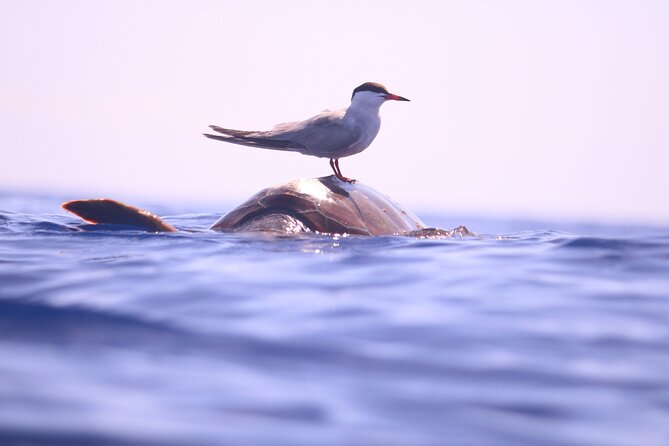
This is the part that travelers always want to know first: will you see whales?
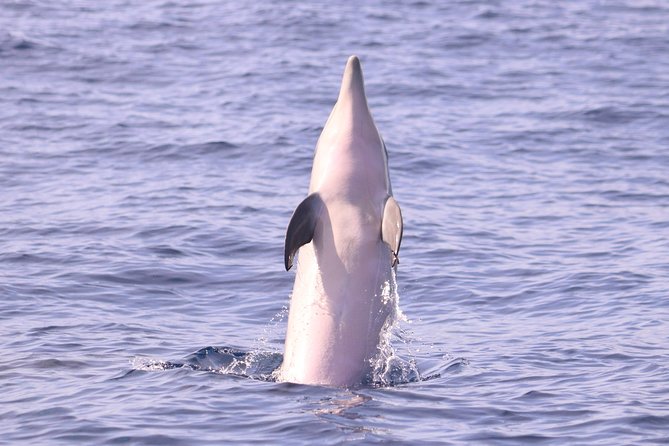
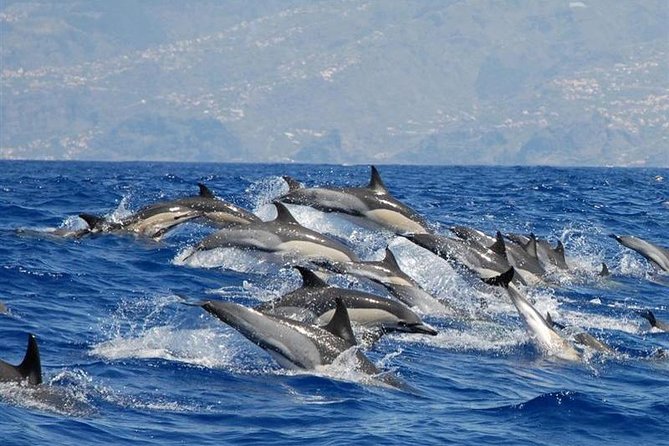
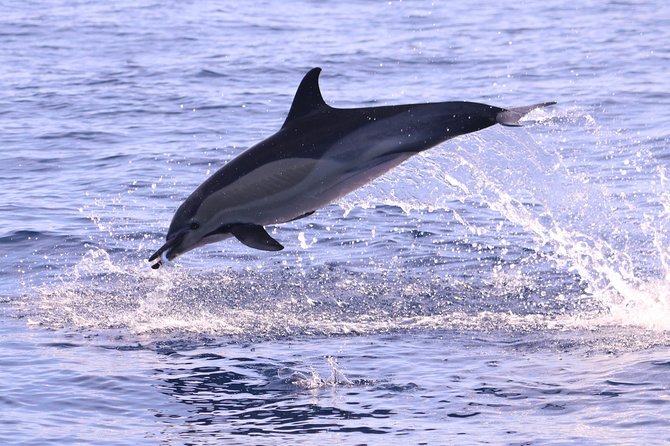
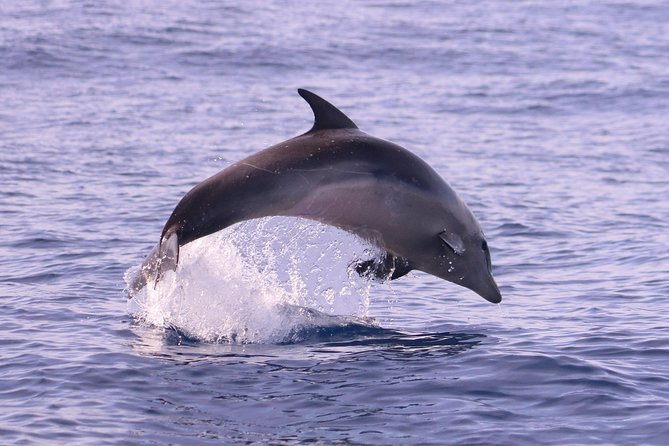
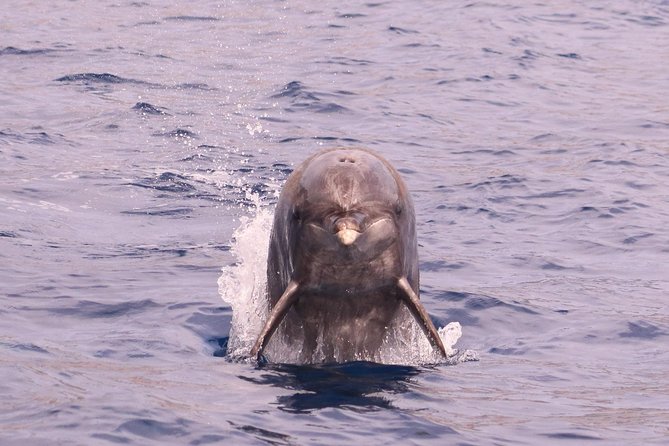
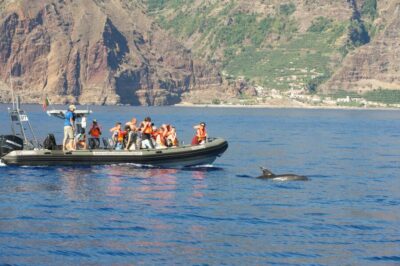
The honest answer is that you might, and you might not, because these are wild animals and the animals decide where they are. Still, the range of sightings people reported is wide. For dolphins, expect high chances. The most commonly mentioned dolphins include bottlenose dolphins and common dolphins, along with spotted dolphins and Risso’s dolphins.
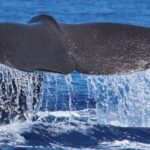
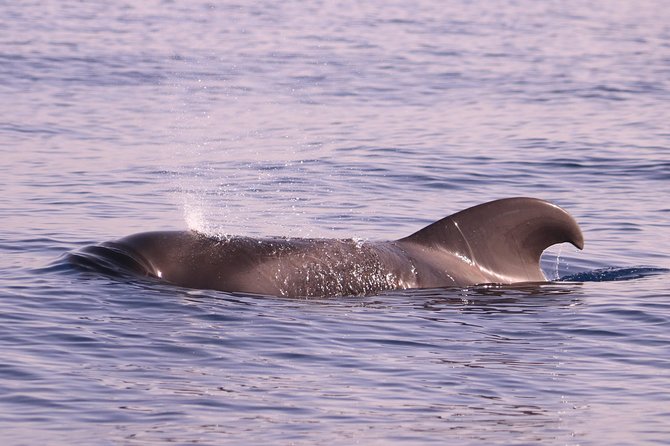
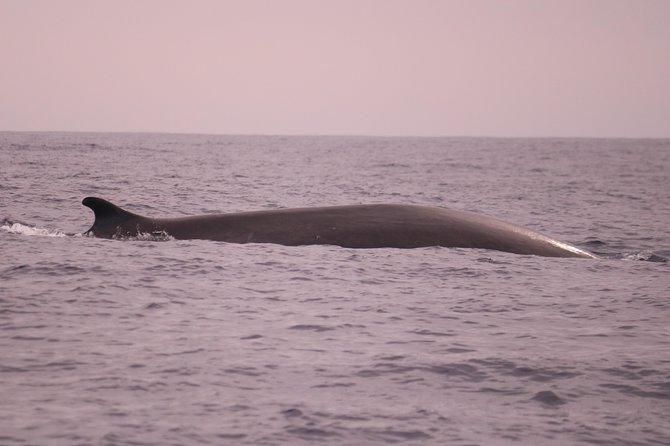
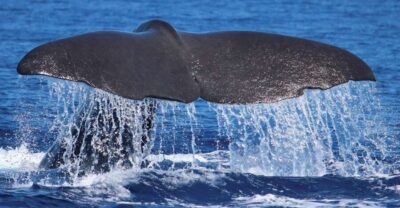
Whales show up less often, but the stories people shared include everything from pilot whales to sperm whales. There are also accounts mentioning larger whales like fin whales and humpback whales. One person even described seeing a sperm whale and keeping the experience going for longer than expected because the crew kept searching once they had a promising sighting.
My takeaway for you: plan for a dolphin-forward outing, and keep your excitement open for whales as a bonus. If whales are a must, you are still in the right place, but no ocean operator can promise it. A day with good visibility and calmer sea conditions usually improves your odds simply because spotting and tracking become easier.
You might also see other marine wildlife alongside cetaceans. People reported manta rays and turtles, and in one account seals were spotted near Deserta Island. The crew’s job is to keep scanning and communicate what they find, so even if whales are absent, the day can still feel full.
On-board commentary and the crew’s approach to wildlife
The tour includes live commentary on board, plus a driver/guide and a local guide. That matters more than people think, because knowing what you are looking at changes the whole experience. Instead of just spotting fins, you learn how to recognize behavior and what different species tend to do in the water.
The stories also highlight a consistent theme: the crew works to avoid disturbing animals. People specifically praised how they respected the dolphins, and one account mentioned that the crew did not stay too long with a pod when they were trying to balance viewing with non-disruption.
Another detail that stood out is conservation in action. One review mentioned the team collected plastic from the ocean during the trip. Even if you do not expect to see that on every outing, it signals that the crew takes environmental responsibility seriously, not just “look, then leave.”
There is also a human side. Accounts describe a skipper who kept the ride fun and guides who managed expectations on rough days. In one case where conditions were not good, the crew tested the outing for a short time, then stopped rather than forcing a bad session. The staff then arranged an easy switch to the next day, which led to a strong wildlife sighting.
Timing, duration, and what the 2 hours really feel like
The duration is listed as about 2 hours. In practice, that usually means your time splits into three phases: check-in and boarding, searching and observing, and then the return to the harbor.
The searching portion can stretch based on what is found. One person described an outing going longer than expected because the crew stayed determined to locate a whale. That is another reason quick repositioning matters. When the boat can move efficiently after spotter updates, the crew can keep hunting for additional species within the overall time window.
Weather can affect how the day runs. The tour requires good weather. If conditions are not suitable, you may be offered a different date or a full refund. So the sea is part of the itinerary here, not just background.
The whole island's highlights in a single day
- Funchal: East Madeira Island Guided Tour & Laurissilva Walk★ 4.8 · 1,194 reviews
- Canyoning in Madeira Island- Level 1★ 5.0 · 1,125 reviews
- Madeira East Island Tour and Levada Walk★ 4.6 · 800 reviews
Who should choose this tour in Madeira (and who should think twice)
This is a strong pick for people who want a real wildlife experience with minimal fluff. It suits families too. One account specifically called out how well it worked for children, including a 7-year-old and an 8-year-old who loved the sightings and the family-friendly atmosphere.
It also fits well if you are a first-timer. A lot of the value comes from learning what you are seeing while the crew keeps searching. The small group size helps here, because you can actually watch without constant jostling.
Who should think twice? Reviews include cautions for anyone with injuries, elderly people, and pregnant travelers. The reason is not lack of kindness or safety focus, it is the ride itself. The RIB can be bumpy, and the motion is part of the physics of this type of craft.
If any of that applies to you, consider discussing your situation with the provider before booking, and have a clear seasickness plan. It is better to over-prepare than to try to “tough it out” on the Atlantic.
Price and value: is $72.56 worth a 2-hour RIB safari?
At $72.56 per person for about 2 hours, this is not a cheap excursion. But it is not priced like a slow boat either, because you are paying for a specific kind of operation: a fast RIB, spotter coordination, live commentary, and a small group capped at 12.
Here is how to judge the value for yourself:
- If you get dolphins plus an extra highlight like a whale, manta ray, or turtle, the cost starts to feel like a bargain. Several accounts describe multiple species in one outing.
- If you only get dolphins on a day when whales are absent, it can still be worth it if you care about close-up behavior. People reported pods swimming near the boat and even lots of jumping.
- If you are prone to seasickness and cannot handle a bumpy ride, value drops fast, because the experience becomes unpleasant.
One other pricing factor: food and drinks are not included. That is normal for a short sea trip, but it changes your planning. If you are hungry or thirsty, you need to handle it before or after the tour.
Given the near-perfect overall rating and the strong themes of respect for wildlife plus strong crew service, I see the price as fair for what this type of tour delivers: speed, searching, and expert interpretation.
What to bring and how to enjoy the ride more
There is no long packing list in the details you were given, so I will keep this practical and based on what tends to matter on RIB trips.
Bring layers. Madeira can feel warmer onshore than it does on open water, and you are out at sea with wind and spray. Wear something that you can adjust when you get hot or chilled.
Plan for water motion. If you take seasickness supplements, do it the way your doctor or pharmacist advises and do not wait until you feel sick. One review mentioned taking supplements ahead of time, and another mentioned that sitting at the back helped.
And for viewing, keep your eye up. When you are trying to spot dolphins and whales, you will see more if you look farther out rather than staring at your feet. One person said focusing on the horizon and learning simple wave riding habits made a big difference.
Finally, bring your expectations into the real world. Dolphins are the likely win. Whales are the bonus when conditions and coordinates line up.
Should you book H2O Madeira whale and dolphin watching in Calheta?
Yes, if your priority is a small-group, active search experience with strong crew communication and a clear focus on animal respect. The spotter system and fast RIB response are exactly what you want when the animals shift location and the ocean is unpredictable.
Book it with open eyes if you care about dolphin sightings and are excited by the idea of multiple species in one outing. The record of bottlenose and common dolphins, plus occasional whales like sperm whales and other whale sightings people reported, supports that dolphin-forward expectation.
Think twice or plan carefully if you are very prone to seasickness, have injuries that make movement hard, or fall into categories that might struggle with a bumpy ride. This tour is fun for many people, but the ocean does what it does.
If your schedule allows flexibility, also treat weather as part of your planning. The operator requires good weather, and when conditions are poor, you should expect adjustments like rescheduling or a full refund.
FAQ
How long is the whale and dolphin watching tour in Calheta?
It lasts about 2 hours.
How much does the tour cost?
The price is $72.56 per person.
Is food and drinks included?
No. Food and drinks are not included.
What group size is the tour limited to?
The tour has a maximum of 12 travelers.
What language is the tour offered in?
The tour is offered in English.
What happens if weather is too poor to run the trip?
The experience requires good weather. If it is canceled due to poor weather, you will be offered a different date or a full refund.
More Dolphin Watching in Madeira
- From Funchal: Madeira Dolphin and Whale Watching Tour
★ 4.2 · 1,444 reviews - Funchal: Dolphin and Whale Watching Sailing Trip
★ 4.6 · 1,325 reviews - From Funchal: Whale and Dolphin Watching
★ 4.7 · 1,313 reviews - From Funchal: Whales and Dolphin Adventure Tour
★ 4.6 · 1,235 reviews - Madeira: Responsible Whales and/or Dolphins Watching Tour
★ 4.9 · 1,184 reviews
Whale & Dolphin Trips
- From Funchal: Ecological Catamaran Dolphin Whale Watching
★ 4.5 · 8,204 reviews - Funchal: Dolphin and Whale Watching Catamaran Cruise
★ 4.5 · 5,697 reviews - Funchal Bay: Dolphin & Whale Watch Luxury Catamaran Cruise
★ 4.2 · 2,684 reviews - All Inclusive Whale and Dolphin Watching Luxury Tour
★ 4.9 · 2,573 reviews - Funchal: Dolphin and Whale Watching by Luxury Catamaran
★ 4.5 · 1,709 reviews
Latest additions across the island
- Madeira: East Coast Cabriolet Road Trip
★ 5.0 · 1 review - Tuk Tuk Botanical Garden – Madeira Island
★ 5.0 · 1 review - Funchal: Sunrise Private Sailing Trip with Breakfast
★ 5.0 · 1 review - Madeira: Levada Referta – Castelejo Guided Walk
★ 4.0 · 1 review - Garajau Coastal Hike and Cliff Jumping
★ 5.0 · 1 review - Monte Tropical Gardens and Old Town Tuk Tuk private tour
★ 5.0 · 1 review - Full-Day Tour: Santana Houses, Pico do Arieiro, Free Rum Tasting
★ 5.0 · 1 review
Calheta Tours, compared.
Southwest of Madeira and Calheta Paul do Mar 4×4 Full-Day Tour
Read our review →
Stand Up Paddle Private Lesson in Calheta Beach
Read our review →
Jeep Safari in Southwest, Calheta and Ponta do Sol Full Day Tour
Read our review →Browse the lists this tour appears in