
Reviewed · FULL-ISLAND DAY TOURS
Stargazing Tour on Madeira Island
A sky full of stars is the easy part. This Madeira tour pairs a famous peak stop with high-quality telescopes and a guided, couch-comfy stargazing session. You get to check out the moon, planets, and star clusters up close, then shift to deep-space targets like galaxies and nebulae through a dedicated deep-sky telescope.
Two things I’d put at the top: the equipment quality (this is built for actual observing, not just pointing) and the way the guide makes space feel clear and human with stories about constellations and mythology. The only real drawback to plan around is the cold, because you’ll be outside and moving at a higher elevation, so skipping a real jacket and windbreaker is a quick way to ruin your comfort.
In This Review
- Key highlights worth your time
- Why this Madeira stargazing tour feels different
- Getting started: pickup points and how to find your van
- Pico do Arieiro: the peak stop that frames the night sky
- How the telescopes work for real observing
- Deep space viewing: galaxies and nebulae beyond our galaxy
- Guide style and what the best reviews are reacting to
- Comfort, timing, and what to wear in the evening
- What you get for the $70 price
- Included logistics, and what you should double-check first
- Who this Madeira stargazing tour fits best
- Should you book this Madeira stargazing tour?
- FAQ
- FAQ
- How long is the Madeira stargazing tour?
- How much does it cost?
- Where are the pickup locations?
- Where are the drop-off locations?
- Is pickup and drop-off included?
- What languages will the guide speak?
- What can I observe during the tour?
- Are observation materials included?
- What should I bring?
- Are pets allowed?
Key highlights worth your time
- Pico do Arieiro stop with a guided tour, so you’re not only staring at the night sky
- Moon, planets, and star clusters through telescopes, plus stories to connect what you see
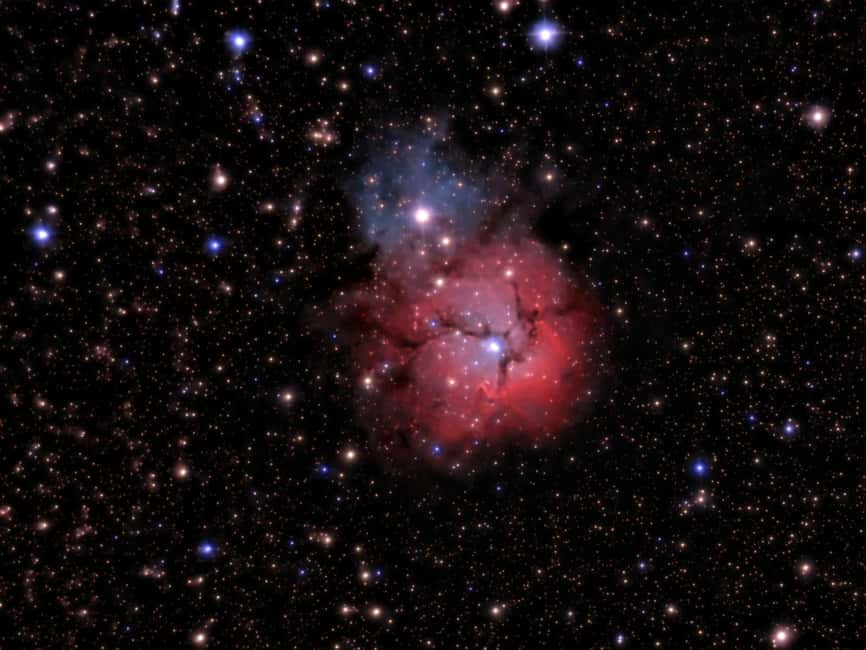
- Deep-space viewing with a telescope designed for galaxies, nebulae, and star groupings beyond our galaxy
- Blankets and hot drinks to keep the experience comfortable while you wait for your turn at the eyepiece
- Included pickup and drop-off in Funchal and Caniço areas, plus observation materials and a coffee break
Why this Madeira stargazing tour feels different
Madeira already has drama in its scenery, but this tour is built around something more specific: turning the night sky from random dots into a guided, step-by-step set of sights. In about 3.5 hours, you move from a high peak stop to a telescope session where you can actually focus on craters on the moon, planets and even their distant moons, and then jump to deeper targets like nebulae and galaxies.
I like that the experience doesn’t treat stargazing like a passive show. You’re watching through telescopes, guided by explanations that help you recognize constellations and understand what you’re seeing. And yes, you’ll feel the comfort side too, with blankets and hot tea or chocolate while you listen and observe.
There’s also a practical bonus: you don’t have to organize transport and equipment on your own. Pickup and drop-off are included for Funchal and Caniço, and the tour handles the gear and the timing.
Getting started: pickup points and how to find your van
The tour makes meeting up easy if you’re staying in the right zones. Pickup is available in three areas: Funchal, Luso Árabe, and Câmara de Lobos. After the experience, drop-off uses the same three locations.
Look for a white van with the Madeira Fauna & Flora logos on the outside. This matters because the tour includes observation equipment and you’ll want to arrive ready, not hunting around at the last minute.
One more detail to keep in mind: your guide speaks English and Portuguese, and some content may be shown in its original language. That usually just means you should expect occasional phrases or visuals to stay in the original form. If you follow along with the guide, you’ll still get the main story and instructions for observing.
The whole island's highlights in a single day
Pico do Arieiro: the peak stop that frames the night sky
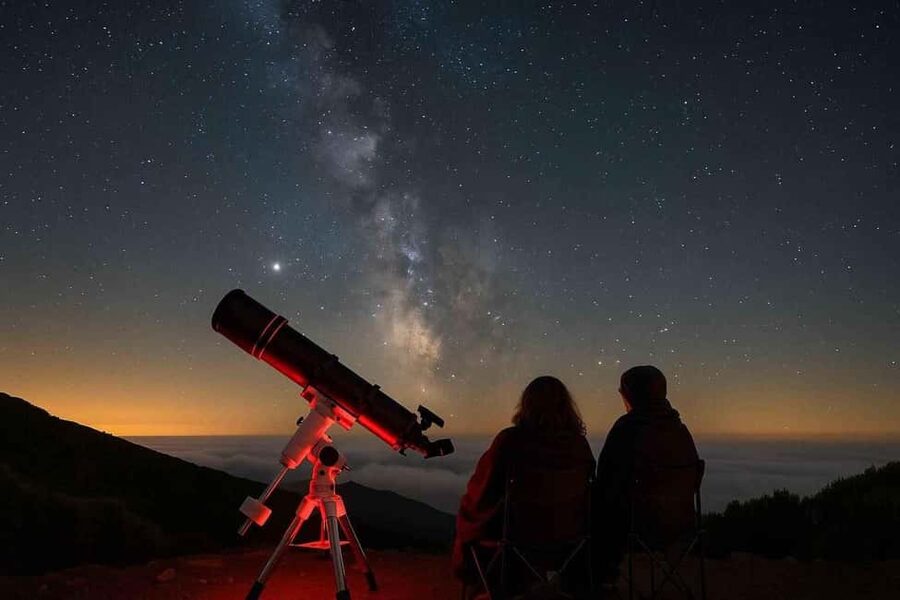
Before the stargazing, you’ll head up to Pico do Arieiro for a guided tour. This isn’t just a scenic pause. It sets the tone and gives you context for what comes next, so the night sky part feels less like a switch and more like a continuation.
Why this peak stop is valuable: it helps you understand the island’s viewpoint and the rhythm of the evening. You’ll also get guided time with your group and your guide before you start using telescopes for more technical views.
The main consideration here is weather and wind. Pico do Arieiro can mean cooler temperatures, and the tour advice is clear: bring a windbreaker and a jacket, and wear comfortable clothing suitable for lower-than-normal temperatures.
How the telescopes work for real observing
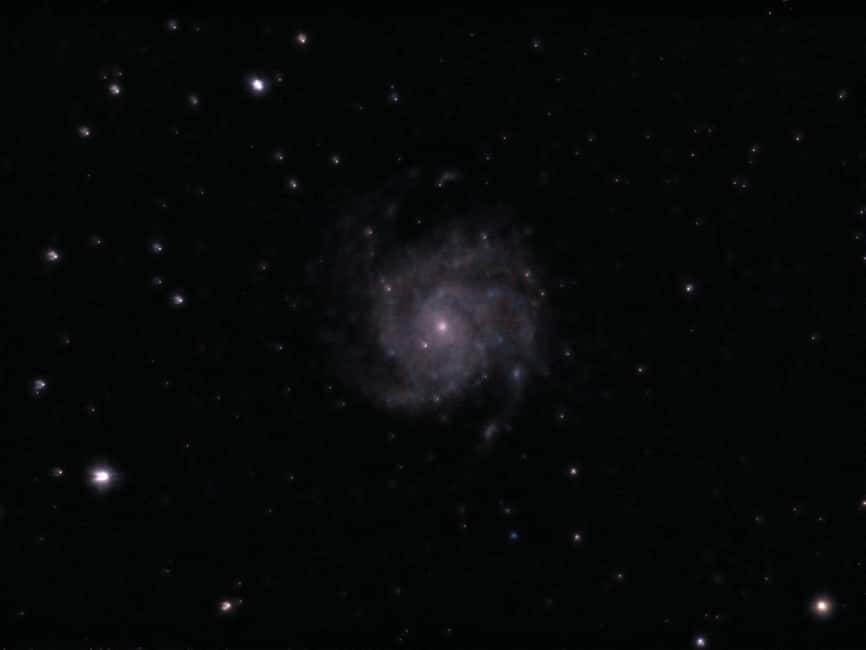
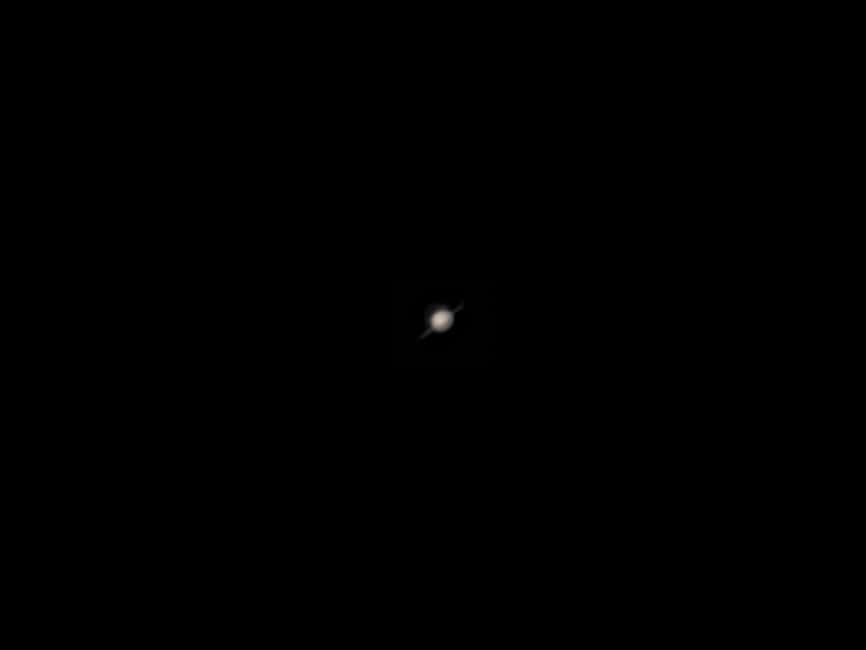
This is a stargazing tour with observation material included, and that changes the whole vibe. You’re not just waiting for dark skies and hoping you can spot something. The guide leads you to targets and you look through high-quality telescopes designed for astronomical viewing.
What you can expect to observe includes:
- Moon craters, which are dramatic enough to make you instantly understand what you’re looking at
- Planets of the solar system, plus their distant moons (when conditions and visibility allow)
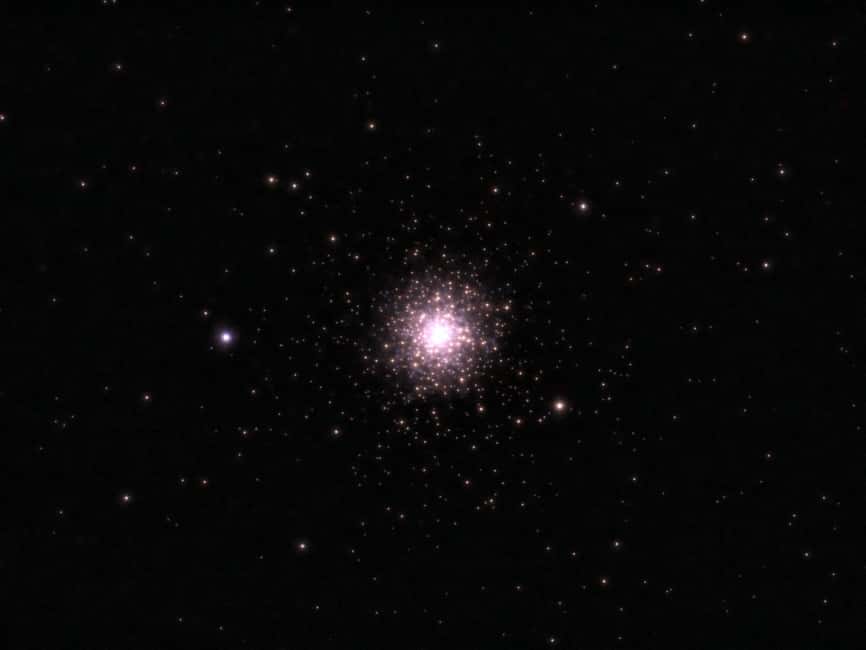
- Stars, star systems, and brilliant star clusters
The comfort part is also not an afterthought. During the observing time, you’ll be snug in a blanket, and you’ll have hot tea or chocolate while you listen to stories about stars, constellations, and mythology. That mix matters because it helps you stay present. You’re more likely to really notice what the guide is pointing to when you’re warm and not rushing to “get it done.”
A small practical tip: when you’re shown targets, pay attention to the guide’s orientation cues. Telescopes make it easy to get focused on the eyepiece, but you’ll enjoy it more if you understand what part of the sky you’re aiming at first.
Deep space viewing: galaxies and nebulae beyond our galaxy
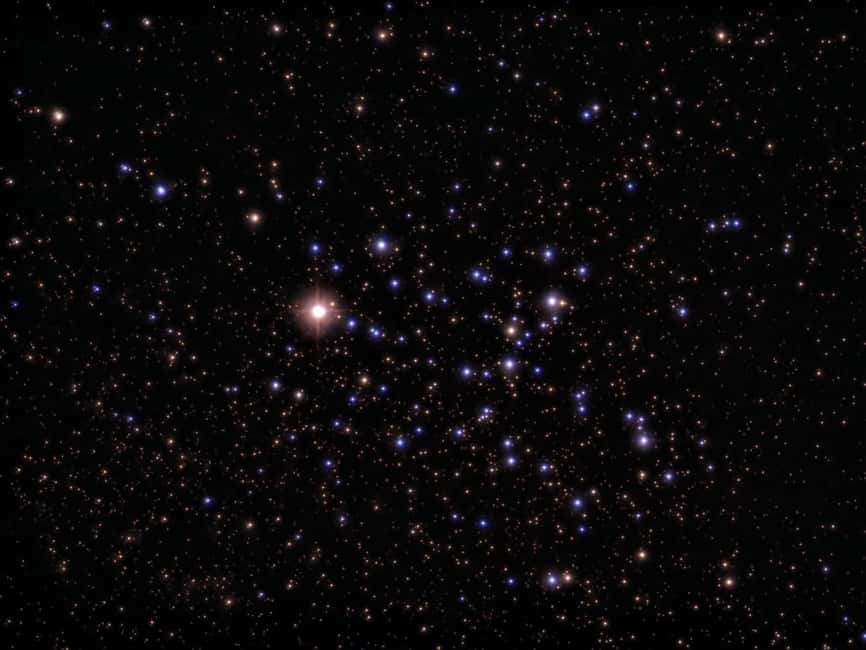
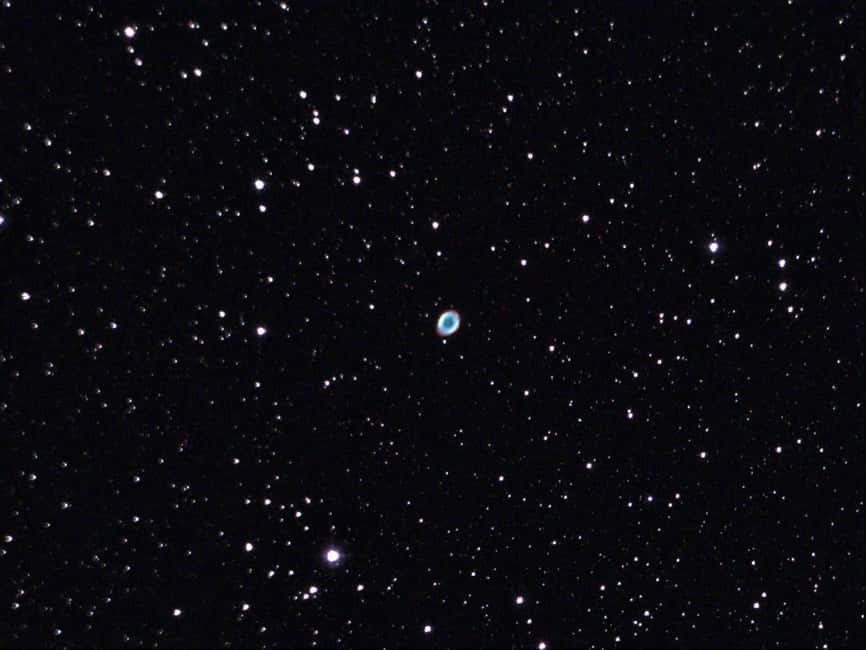
Once you move into deep-space observing, the tour shifts to something special: a special deep-sky telescope built for far-off objects. This is where you stop thinking in terms of “things you can see with the eye” and start thinking in terms of light that has traveled for millions of years.
The kinds of objects you can observe include:
- Galaxies
- Nebulae
- Star clusters located beyond our galaxy
This is the part of the night that tends to land hardest, because these are the objects that connect you to scale. You’re not just seeing a pretty patch of sky. You’re seeing structures you can’t easily imagine, and the guide’s stories help you place them in context.
The key value here is that you get to move from familiar targets, like the moon and recognizable constellations, into more challenging deep-sky objects. If you’re even slightly curious about astronomy, this step-up is satisfying.
Guide style and what the best reviews are reacting to
The strongest praise across the experience is about two things: the guide’s ability to explain and the equipment. When guides know how to translate what you’re seeing into plain language, the whole tour clicks. The equipment quality also matters because a good telescope setup makes the difference between cloudy disappointment and sharp, rewarding observing.
You can also sense that the staff approach is professional and prepared. One piece of feedback points to a common stargazing moment where people have questions early in the session. If you want to keep the night flowing smoothly, I’d treat the first part of the session like orientation, not a mystery. Listen closely for what the guide is doing and why, then let your questions wait until you’ve understood the basics.
Language-wise, the tour runs in English and Portuguese. If you’re comfortable with either, you’re in good shape. If you’re unsure, don’t worry. The guide’s job is to bring you along step by step, and the observing instructions are physical and visual, not only verbal.
Pair this with something on the other coast:
- Funchal: Pico do Arieiro Sunrise Hiking Transfer★ 4.8 · 4,021 reviews
- Porto Moniz, Seixal, Fanal Forest, Cliff Skywalk in Open Roof 4X4★ 5.0 · 3,631 reviews
- Madeira Funchal:East Tour Pico Arieiro & Santana&Laurissilva★ 4.9 · 1,994 reviews
Comfort, timing, and what to wear in the evening
A 3.5-hour tour is a great length for first-time stargazing. You get enough time to learn, observe, and see both near and far sky targets. And the included coffee break helps break up the night so you don’t feel like you’re just sitting under stars for hours.
Still, the comfort checklist is not optional. The tour recommends clothing suitable for temperatures that run cooler than normal, and they specifically ask for:
- a windbreaker
- a jacket
Because rules say smoking isn’t allowed in the vehicle and fireworks or explosive substances aren’t allowed, the tour likely keeps a controlled, safety-first routine around the observing stops. That’s good for you, because it means you can focus on the sky instead of dealing with chaos.
One more practical point from the rules: bare feet aren’t allowed, and you should be prepared to follow instructions closely. Wear shoes you can keep on comfortably, especially if the group has you moving between spots or waiting your turn.
What you get for the $70 price
At $70 per person for about 3.5 hours, the value comes from the full package, not just the telescope part. Your money covers:
- observation equipment and materials
- pickup and drop-off in Funchal and Caniço areas
- a coffee break
- guidance in English and Portuguese
You also avoid the usual hassle of finding transport and paying separately for astronomy gear. That matters on Madeira, where organizing “just enough” logistics for a short evening activity can take more time than the activity itself.
The one clear cost caveat: transfers outside the Funchal and Caniço areas aren’t included. If you’re staying elsewhere, you’ll need to figure out how to get yourself to the pickup zone.
Included logistics, and what you should double-check first
This tour is built around simple, included logistics. Pickup and drop-off happen at the three locations, and the pickup vehicle is clearly identified with the Madeira Fauna & Flora logos. Observation materials are included, so you don’t need to pack binoculars or guess what you’ll need on arrival.
Before you go, do a quick “rules check” so you don’t lose time at the start. The tour states that pets are not allowed, though assistance dogs are allowed. Also not allowed: weapons or sharp objects, smoking in the vehicle, alcohol and drugs, littering, unaccompanied minors, fireworks, explosive substances, alcoholic drinks in the vehicle, making fire, and bare feet.
If you’re traveling with kids, unaccompanied minors policy is important. Plan on staying with your child rather than assuming they can go on their own.
Who this Madeira stargazing tour fits best
This tour is a strong pick if:
- you want an easy, organized way to observe the night sky
- you’re interested in both “easy” targets like the moon and more challenging deep-space objects
- you like guided explanations, not just a telescope session
It’s also a good fit for couples, groups of friends, and solo travelers who want a guided evening without needing to learn equipment on their own first.
You might choose something else if:
- you can’t get to the pickup/drop-off zones in Funchal or Caniço
- you dislike being outdoors in cooler night air
- you’re not comfortable following clear safety and behavior rules
Should you book this Madeira stargazing tour?
I’d book it if you want a night activity that mixes comfort with actual observing, plus a guide that helps you understand what’s happening in the sky. The combination of high-quality telescopes, included pickup, blankets and hot drinks, and a shift into deep-space targets makes it feel like more than a “look up and hope” experience.
One last decision helper: pack for wind and cold, even if you’re used to warmer evenings. If you show up in a warm windbreaker and jacket, you’ll enjoy the time at the telescope far more.
FAQ
FAQ
How long is the Madeira stargazing tour?
The tour lasts 3.5 hours.
How much does it cost?
It costs $70 per person.
Where are the pickup locations?
Pickup is available in Funchal, Luso Árabe, and Câmara de Lobos.
Where are the drop-off locations?
Drop-off is also available in Funchal, Luso Árabe, and Câmara de Lobos.
Is pickup and drop-off included?
Yes, pickup and drop-off are included for the Funchal and Caniço areas.
What languages will the guide speak?
The live tour guide is available in English and Portuguese.
What can I observe during the tour?
You can observe craters on the moon, planets of the solar system and their distant moons, and also stars, star systems, and star clusters. The tour also includes deep-space objects like galaxies and nebulae.
Are observation materials included?
Yes, observation equipment and materials are included.
What should I bring?
Bring a windbreaker and a jacket, and wear comfortable clothing suitable for cooler temperatures.
Are pets allowed?
Pets are not allowed, but assistance dogs are allowed. Smoking and alcoholic drinks in the vehicle are also not allowed, and alcohol and drugs are prohibited.
Latest additions across the island
- Madeira: Fajã dos Padres, Cabo Girão and Câmara de Lobos
★ 5.0 · 1 review - Private Tuk-Tuk Rides Tour in Madeira
★ 5.0 · 1 review - Madeira: VW Van Tours discover the southwest of Madeira in exclusive comfort
★ 5.0 · 1 review - Guided Toboggan Ride and Madeira Wine Tasting Tour
★ 5.0 · 1 review - Wine & Cabo Girão Jeep Safari : Unveiling Madeira’s Treasures
★ 5.0 · 1 review - Vereda do Larano
★ 5.0 · 1 review - Funchal: Tuk-Tuk City Tour with Drink Tasting
★ 5.0 · 1 review
Full-Island Day Tours, compared.

Whale and Dolphin Watching in Calheta, Madeira Island
Read our review →
East Madeira Island Guided Tour & Laurissilva Walk
Read our review →
Around The Island – Two Days Tour From 9am To 5pm (Each Day)
Read our review →

West Side Private Full Day Tours around Madeira Island
Read our review →Browse the lists this tour appears in