
Reviewed · BIRDWATCHING TRIPS
Madeira: Birdwatching – The Endemics
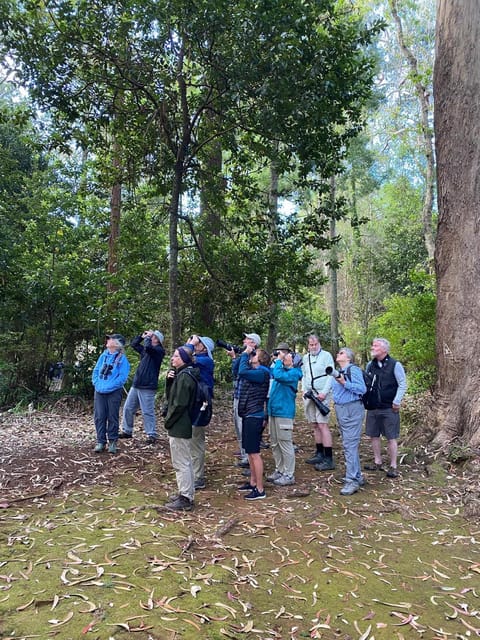
Madeira rewards patient birders. This half-day tour is built around Madeira’s endemics and the Important Bird Areas where they cling to the island’s micro-habitats. I like that you’re not doing generic sightseeing, you’re doing targeted looking for birds like the Madeiran Firecrest and the elusive Trocaz pigeon.
The other big win is the way the guide structures your time, with short walks, quiet sit-down watching, and included observation material so you can actually focus. One thing to keep in mind: birding depends on weather and bird mood, so you might spend parts of the tour waiting rather than sprinting for sightings.
In This Review
- Key things to know before you go
- Madeira Endemic Birdwatching, the Real Point of the Trip
- Price and What You’re Really Paying For
- Pickup in Funchal and Caniço, and How the Half-Day Flows
- São Lourenço Peninsula, Where Rock Meets Bird Habitat
- Laurel Forest IBA, The Best Place to Hunt the Trocaz Pigeon
- Firecrests and Endemic Counting, Why the Habitat Mix Works
- Observation Material Included, and How to Use It Smart
- Weather, Patience, and Why Waiting Can Be the Best Part
- What the Guide Adds, Especially with Alex and Alexandre
- Small Group Size, English or Portuguese, and Comfortable Pacing
- What to Bring for Madeira Birdwatching (Without Overthinking It)
- Who Should Book This Tour, and Who Might Not Love It
- The One Drawback to Plan Around
- Should You Book Madeira: Birdwatching – The Endemics?
- FAQ
- How long is the birdwatching tour?
- What is the price per person?
- Where are pickup and drop-off available?
- How big is the group?
- What languages are the tours offered in?
- Is observation material included?
- What should I bring?
- Are there restrictions on alcohol or drugs?
- FAQ
- What is the minimum age for this tour?
- Is cancellation available?
- Do I need to reserve and pay later?
- What if I am staying outside Funchal and Caniço?
Key things to know before you go
- Endemics first, photos second: the goal is specific Madeira-only birds and the habitats that support them
- Important Bird Areas on the route: you’ll visit places like the São Lourenço peninsula and the laurel forest
- Small group size (up to 8): easier conversation, less crowding at viewing spots
- Observation material included: you can start watching immediately without guessing what to bring
- Guide-led bird and plant spotting: the team behind the tour, including Alex/Alexandre, ties birds to the island’s nature
Madeira Endemic Birdwatching, the Real Point of the Trip
If you want the pretty coastline of Madeira, you can get that on a dozen bus tours. This one is different because it asks you to slow down and look closely at what makes the island unique.
The tour centers on Madeira’s endemic bird species, especially the Madeiran Firecrest, the Trocaz pigeon (Laurel pigeon), and the Madeiran Chaffinch. Those names matter because they are not common birds you can just find elsewhere in Europe. You’re chasing island rules: the right height, the right forest pockets, and the right time of day.
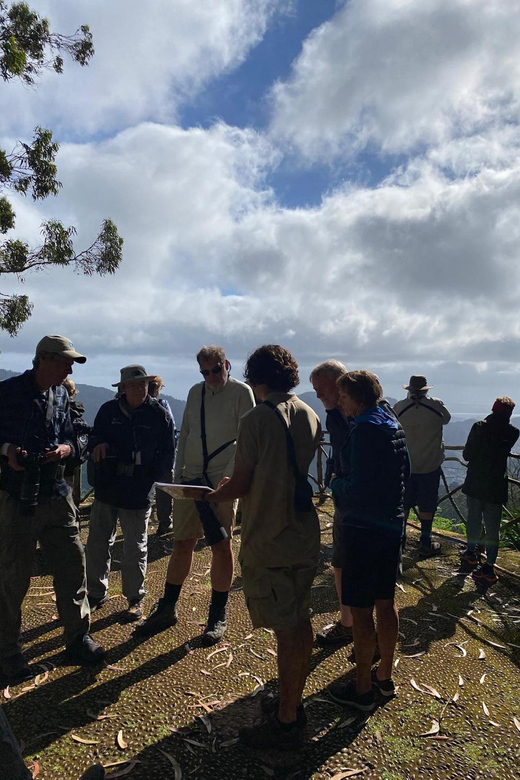
What I also like is the balance of action and patience. You’ll do short walking sections, then you’ll often stop and watch. That rhythm fits birding reality. Birds rarely perform on command, but when you’re in the right spot, quiet stillness helps.
Price and What You’re Really Paying For
At $64 per person for about 4.5 hours, this tour sits in the “good value if you care about the goal” category. You’re paying for three practical things: access to bird-focused locations around Funchal, a live guide, and included observation material.
The endemics focus is the biggest value driver. You’re not paying for a long day, you’re paying for targeted effort in specific habitats. If you’re the type of traveler who gets satisfaction from spotting a hard-to-see bird, $64 can feel fair fast.
If you’re expecting lots of guaranteed sightings, be careful. Even with a good guide, you can have slower birding days. One review described limited variety in sightings and felt the price was too high for the number of birds seen. That’s the reality-check, and it’s why I’d book this only if you’re comfortable with waiting and you enjoy learning as much as collecting sightings.
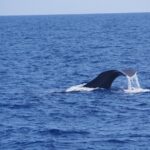
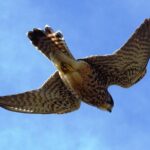
Petrels and pigeons found nowhere else
Pickup in Funchal and Caniço, and How the Half-Day Flows
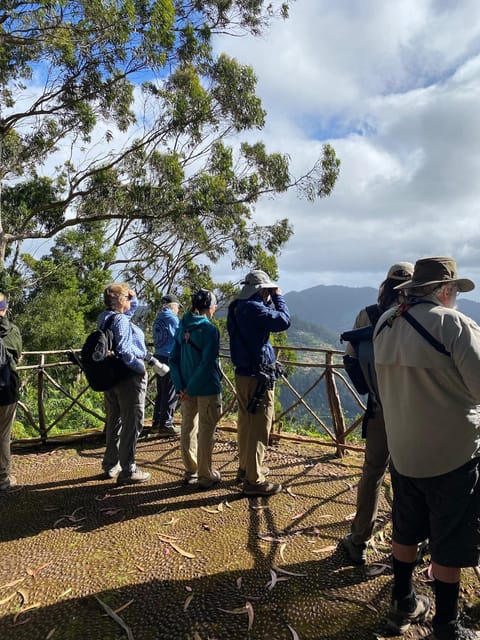
This is a small group tour, limited to 8 participants, and it runs with pickup and drop-off in the Funchal and Caniço areas. That matters because Madeira’s roads can be tight and winding. When pickup is built in, you avoid spending your half-day juggling taxis and parking.
The tour is about 4.5 hours, so the pacing stays focused. You will visit multiple land sites, including Important Bird Areas. That’s a big part of why this isn’t just one long hike. It’s a plan to cover different habitat types rather than betting everything on a single forest corner.
Inside that time, expect a mix of:
- short walks through or near bird habitat
- sitting at observation points
- guided scanning and habitat talk
The tour includes a live guide in English and Portuguese, so you can follow what you’re seeing and why it’s there.
São Lourenço Peninsula, Where Rock Meets Bird Habitat
One of the highlighted areas is the São Lourenço peninsula. It’s the kind of place where the island feels exposed, windier, and very much shaped by its own weather. That openness can be great for spotting, because visibility often feels better than deep inside a thick forest.
What makes this stop valuable for a birdwatching tour is habitat contrast. You’re not just looking at one kind of landscape. You’re moving between zones, which increases your odds across the island’s different bird preferences.
What I’d tell you to do here is simple: slow your scanning down. In open areas, it’s easy to get impatient and “hunt” for movement with your eyes. Instead, treat it like a method session. Look for small changes in treetops and cliff-edge vegetation rather than only obvious flying birds.
Also, wear shoes you won’t worry about. Comfortable shoes are essential on Madeira’s uneven ground, and you may end up on paths that don’t look museum-clean.
Laurel Forest IBA, The Best Place to Hunt the Trocaz Pigeon
The laurel forest is the other big centerpiece, and it’s where the tour really earns its name. The Trocaz pigeon is famous for being elusive, and laurel forest is the ecosystem where it makes the most sense to find it.
In practical terms, laurel forest birding means slower movement. You’ll likely spend more time standing, watching, and listening. That can feel like work if you came only for quick photo ops. But if you enjoy reading the environment, it’s rewarding. The guide can help you understand what cues to look for, like the way birds move through the canopy and how the habitat shapes where they appear.
One review highlighted that spotting a pair of Trocaz pigeons is possible on this kind of outing, and that it happened alongside other endemics. You should not count on a pair every time. Still, the tour’s choice of laurel forest as an IBA stop is exactly what gives this experience its credibility.
Firecrests and Endemic Counting, Why the Habitat Mix Works
Madeira’s endemics are tied to microclimates. That’s why habitat variety matters on a short tour. In the field, the Madeiran Firecrest tends to be associated with the kind of moist forest and edge conditions where food and cover line up.
At least one review described a walk along a levada with lots of flowers, with many firecrests seen. A levada walk does not always mean the same thing for everyone, but it does suggest you can expect scenery that supports birds, not just road pull-offs.
Here’s how to think about that as a buyer: you’re trying to stack probabilities. Firecrests, chaffinches, bluefinches, and pigeons may share the same island, but they don’t share the same “exact” spot. By working multiple sites in one half-day, the tour increases your chance of finding more than one endemic species.
That matters because one of the best memories from this kind of tour is seeing several endemics on the same outing, rather than having one great moment and then an okay finish.
Pair this with something on the other coast:
- From Funchal: Ecological Catamaran Dolphin Whale Watching★ 4.5 · 8,204 reviews
- Madeira: Skywalk, Porto Moniz, Seixal, and Fanal 4WD Tour★ 4.9 · 7,905 reviews
- Funchal: Dolphin and Whale Watching Catamaran Cruise★ 4.5 · 5,697 reviews
Observation Material Included, and How to Use It Smart
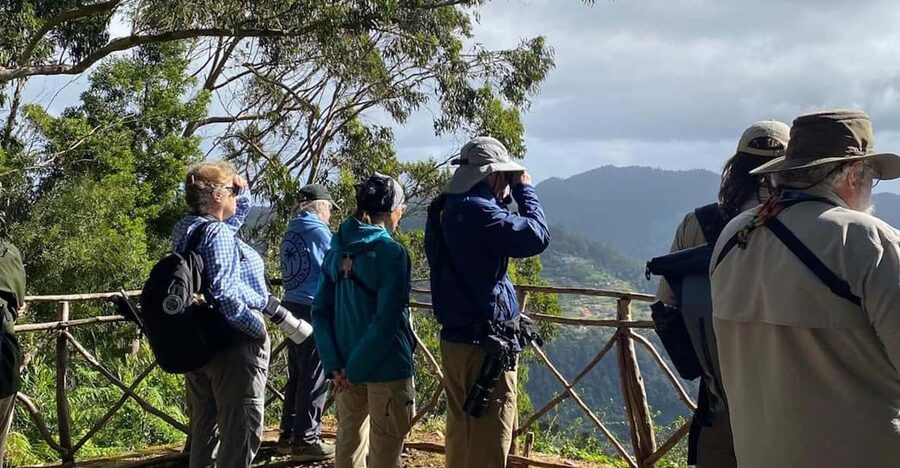
A small but important perk is that observation material is included. That reduces stress for you, especially if you’re traveling light and don’t want to pack binoculars. It also means you’re not standing there wondering what magnification you have and whether you set it right.
Even with included gear, your results depend on method. I recommend this mindset:
- settle in before you start scanning
- scan slowly, then focus sharply
- check different heights, not just eye level
Also, if you can, take the guide’s cue on where to look. The best bird guides don’t just say species names. They explain likely behavior and habitat reasons, which helps you spend time efficiently.
If you bring your own binoculars, great. Otherwise, you’ll still have what you need to participate and learn.
Weather, Patience, and Why Waiting Can Be the Best Part
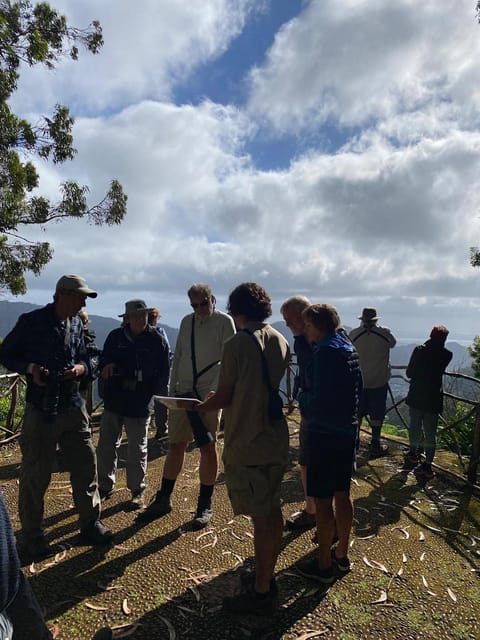
One positive review noted that the weather wasn’t ideal, but the guide made it work. That’s how Madeira birding often goes. Cloud cover and wind can reduce active movement. Rain can shut down bird activity. But it also changes how birds use cover and how sound carries in the forest.
So plan to be flexible. Bring water and layers, and dress for closed-toe comfort. Comfortable clothes that can get dirty is also practical advice, because Madeira’s paths and forest edges are not trying to stay clean for your city sneakers.
If you want a rule of thumb, it’s this: if the group stays calm and watches, your odds improve. If everyone gets restless and rushes to new spots, you lose the chance to spot that small movement you would have caught after a minute of stillness.
What the Guide Adds, Especially with Alex and Alexandre
The strongest praise in the reviews is about the guides. Names like Alex and Alexandre come up as friendly, strong, and practical with birds and the broader natural world.
That kind of guide makes a difference because birdwatching is not just identifying shapes. You learn why certain birds show up where they do, and how plants and landscape features connect to birds’ habits. One review specifically praised learning about nature on Madeira and mentioned a lot of knowledge about birds and flora.
For you, that means more than trivia. It changes your viewing. When you understand the habitat logic, you stop feeling like you’re just staring at foliage hoping something appears.
You also benefit from a guide who can keep a small group moving sensibly, since the tour is limited to 8. Less crowding helps you see what you’re looking at, and it also makes it easier to ask questions without waiting your turn.
Small Group Size, English or Portuguese, and Comfortable Pacing
This tour is built for small-group attention. With up to 8 people, you’re less likely to have a wall of heads between you and your view.
You also get the guide in English and Portuguese, which is useful if you’re bilingual or if you’re trying to understand the bird behavior explanations in a specific language.
The pacing also matters. A 4.5-hour tour is long enough to visit multiple sites, but short enough that you still feel fresh. That helps because birding requires steadiness, not exhaustion. If you arrive tired, it’s harder to notice small movements and changes.
What to Bring for Madeira Birdwatching (Without Overthinking It)
You don’t need special gear beyond what you can reasonably pack for a half-day.
Bring:
- comfortable shoes
- water
- comfortable clothes
- clothes that can get dirty
- closed-toe shoes
That’s the practical checklist. Add a layer for changing weather, since Madeira can shift from sun to cloud fast.
Not allowed:
- alcohol and drugs
I’d take that seriously, because nature tours work best when the group stays focused. You’ll be doing quiet observing at times, not sipping your way through the forest.
Who Should Book This Tour, and Who Might Not Love It
This tour is a great fit if you:
- want Madeira’s endemic birds, not generic sightseeing
- like guided walks plus quiet viewing
- enjoy learning about habitats, not just chasing photos
- want a manageable half-day with a small group
It’s not a great fit if you:
- need guaranteed, constant action
- hate waiting quietly for birds
- prefer big group tours with lots of social energy
It’s also not suitable for children under 5 years, which makes sense for the walking and focused watching.
The One Drawback to Plan Around
The only real “watch-out” here is variability. Birding is never a factory line. Even with a good guide and the right IBAs, you may see fewer birds in certain conditions.
If you’re traveling on a tight schedule and want maximum certainty, that’s where you need to be honest with yourself. Decide if you’ll enjoy the process even when the birds take their time.
Also note the feedback about explanations feeling short for at least one participant. That doesn’t seem to be the overall pattern, but it’s a reminder that every guide-group moment depends on weather and bird activity. If you want lots of deep explanation time, arrive with questions ready, and don’t be shy about asking.
Should You Book Madeira: Birdwatching – The Endemics?
Yes, if you want Madeira birding that’s actually about endemics and Important Bird Areas, not a casual nature walk. The included observation material, the small group size, and the focus on species like the Madeiran Firecrest and the Trocaz pigeon make it a smart way to spend a half-day in Funchal.
Maybe skip it if you hate waiting for wildlife or you need a guaranteed checklist of birds no matter the weather. In that case, you might feel the experience is too dependent on conditions and animal behavior.
FAQ
How long is the birdwatching tour?
The duration is 4.5 hours.
What is the price per person?
The price is $64 per person.
Where are pickup and drop-off available?
Pickup and drop-off are available within the Funchal and Caniço areas. If you’re staying outside these areas, you need to contact the provider for possible alternative locations.
How big is the group?
The group is limited to 8 participants.
What languages are the tours offered in?
The live tour guide is available in English and Portuguese.
Is observation material included?
Yes, observation material is included.
What should I bring?
Bring comfortable shoes, water, comfortable clothes, clothes that can get dirty, and closed-toe shoes.
Are there restrictions on alcohol or drugs?
Yes, alcohol and drugs are not allowed.
FAQ
What is the minimum age for this tour?
It is not suitable for children under 5 years.
Is cancellation available?
The tour offers free cancellation up to 24 hours in advance for a full refund.
Do I need to reserve and pay later?
You can reserve now and pay later, keeping plans flexible.
What if I am staying outside Funchal and Caniço?
Transfers outside Funchal and Caniço require further contact to arrange possible alternative pickup/drop-off.
Latest additions across the island
- Madeira: East Coast Cabriolet Road Trip
★ 5.0 · 1 review - Tuk Tuk Botanical Garden – Madeira Island
★ 5.0 · 1 review - Funchal: Sunrise Private Sailing Trip with Breakfast
★ 5.0 · 1 review - Madeira: Levada Referta – Castelejo Guided Walk
★ 4.0 · 1 review - Garajau Coastal Hike and Cliff Jumping
★ 5.0 · 1 review - Monte Tropical Gardens and Old Town Tuk Tuk private tour
★ 5.0 · 1 review - Full-Day Tour: Santana Houses, Pico do Arieiro, Free Rum Tasting
★ 5.0 · 1 review
Birdwatching Trips, compared.
Browse the lists this tour appears in