
Reviewed · MADEIRA
Madeira Sweet Rituals: curd cheese, queijadas and herbal tea
Cheese rituals start early in Madeira. This half-day food tour takes you from Funchal to Santo da Serra, where I like the clear, hands-on focus on local dairy, especially curd cheese made from mostly cow milk. You also get a second family stop for queijadas, then an easygoing tea moment with herbs from the garden and a view over the valley and sea. One possible drawback to consider: it is a tight 4-hour schedule, so if you want long sits, heavy shopping time, or extra meals, you may feel a bit rushed.
What makes the experience feel special is that it stays off the main tourist path, in small family businesses that keep older food methods alive. Expect a maximum of 16 travelers, pickup and drop-off if you are staying in Funchal, and a guide who helps connect the food to everyday Madeira life. If you book, do it with the weather in mind, because the tour requires good conditions.
In This Review
- Key things I’d focus on before you go
- Santo da Serra and the PGI curd cheese story
- What you actually taste: curd, and why it is more than a snack
- Queijadas at a family business, made with cottage cheese and care
- The tea house with valley and sea views
- Pickup from Funchal, small groups, and how to plan your morning
- Price and value: what $165.75 buys in 4 hours
- Who will love Madeira Sweet Rituals, and who should think twice
- FAQ
- FAQ
- How long is the Madeira Sweet Rituals tour?
- Where does the tour take place?
- Is pickup included, and what time should I be ready?
- What food and drinks are included?
- Is the tour in English?
- How large are the groups?
- What if the weather is bad?
- Should you book this tour?
Key things I’d focus on before you go
- Santo da Serra is your food base: you leave Funchal for a small village known for dairy production.
- Curd cheese with PGI status: you learn how curd, also known as Requeijão da Madeira, is made and why it is protected.
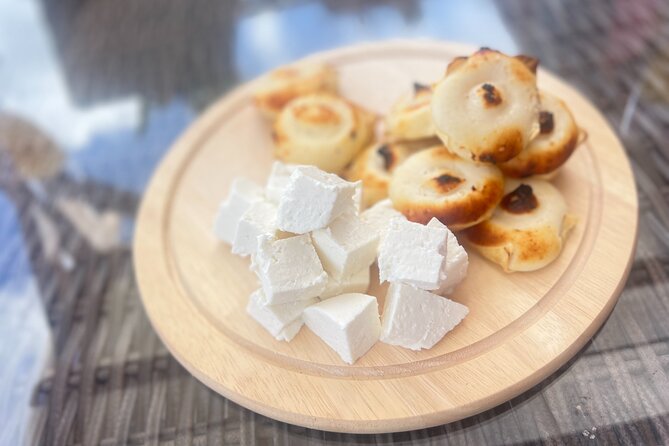
- Queijadas are made with cottage cheese: expect a fresh tart served with other sweet treats.
- Herbal tea is part of the ritual: tea comes from herbs grown in the garden, paired with local sweets.
- Small group size: up to 16 people keeps the pace friendly and the questions flowing.
- Free admissions at both stops: ticket costs are covered for the visits included in the route.
Santo da Serra and the PGI curd cheese story
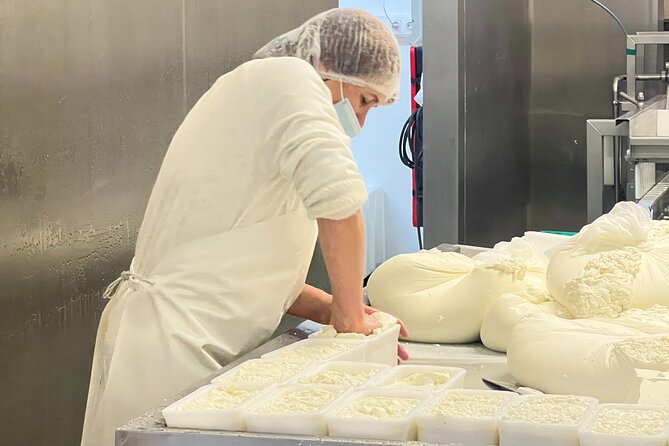
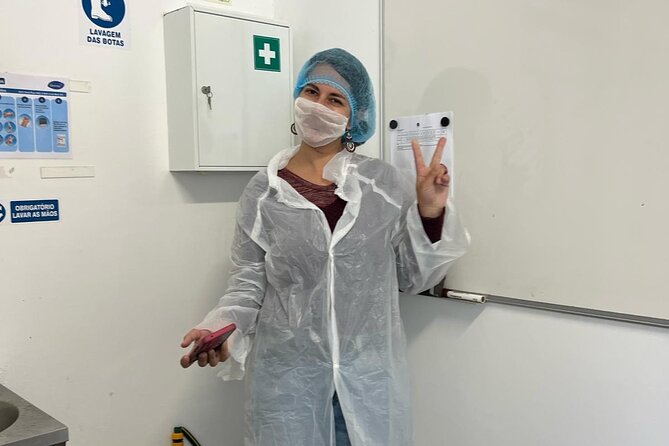
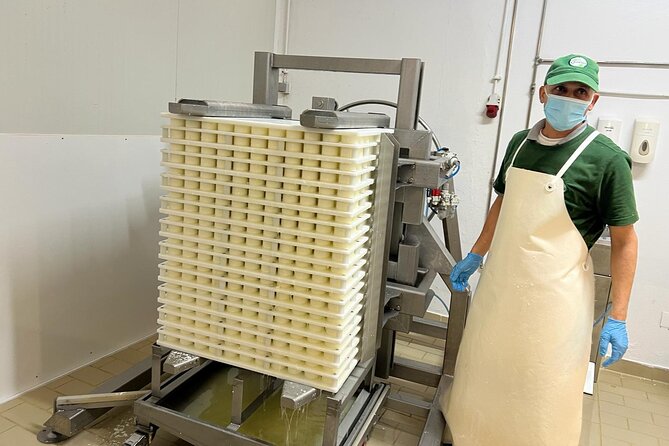
The tour begins with a drive of about 40 minutes from Funchal to Santo da Serra. This is not a big factory tour. It is a family-run dairy operation where you see how Madeira’s traditional curd fits into modern quality standards.
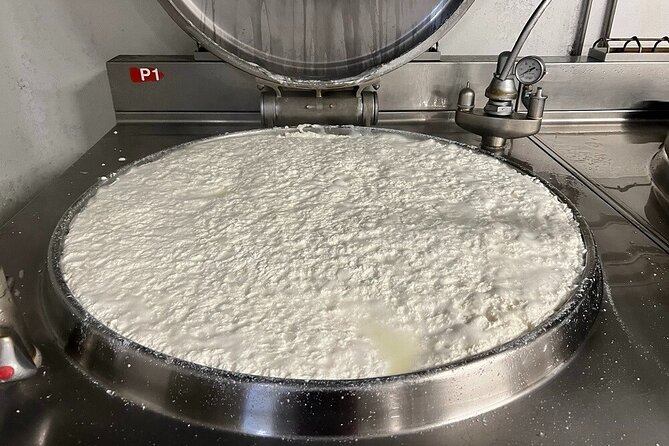
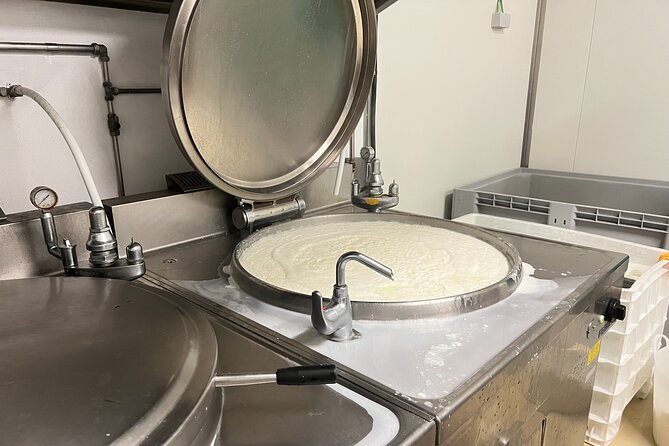
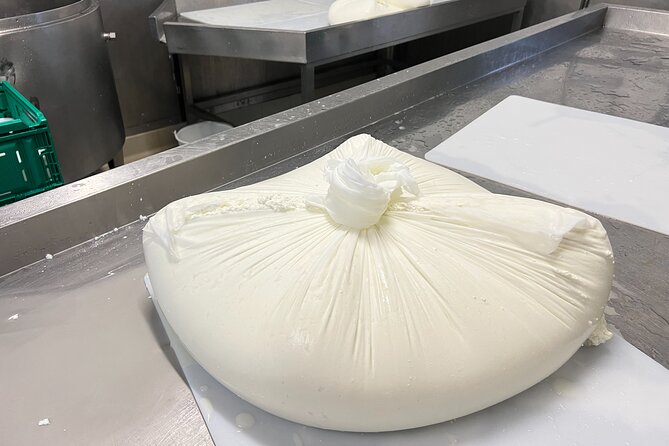
At the first stop, you visit a producer that started as a small artisanal cheese factory on June 1, 1995, originally making only Requeijão da Madeira, locally called curd. Today, the product is certified as PGI, Protected Geographic Identification, which matters because it ties the food to a specific place and process. In plain terms, it is a way of saying the cheese is not just generic curd, it is Madeira curd.
The milk is part of the story too. You are told they use around 90% cow’s milk from local producers. That detail helps you understand the flavor expectations, because it points to a real dairy supply chain, not a one-ingredient shortcut. If you are curious about why some cheeses taste more buttery, tangy, or creamy than others, this is the kind of background that makes the tasting make more sense.
One practical note: this is an admission ticket free visit, so you can spend your time asking questions instead of worrying what is or isn’t included. The timing is also tight, about 1 hour at the first stop, so be ready to move from viewing to learning to tasting without long breaks.
What you actually taste: curd, and why it is more than a snack
Curd cheese on Madeira has a strong local identity. It is often called Requeijão da Madeira, and the tour framework helps you connect the name to what you are eating.
You are learning about a cheese described as unique within the country. When a food gets that kind of identity, it usually means the texture and taste are distinctive, not just the packaging or branding. The fact that it is PGI certified is your clue that there is a defined idea of what Madeira curd should be.
Even if you are not a cheese expert, you will get something useful from this part. You will likely walk away with a clearer sense of what makes curd Madeira-style, and what to look for if you see it on a menu later. I also like that the tour frames cheese as a living local product tied to producers on the island, including milk sourced from local partners.
The only consideration here is your palate. If you are very cautious about dairy flavors, plan to go at a pace you feel comfortable with. This experience is food-focused, and the first stop sets that tone right away.
There's more of Madeira past Funchal




Queijadas at a family business, made with cottage cheese and care
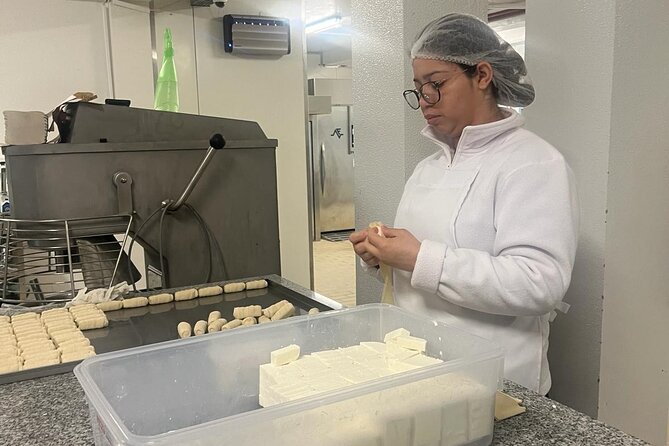
The next segment moves you to another small family business that produces queijadas. These are tarts made with about 70% cottage cheese, plus flour and sugar. That ratio is a quick clue to the expected texture and flavor: you are not eating a lightweight pastry dessert. You are eating something more custardy and dairy-forward.
At this stop, you watch the preparation and then taste the queijadas fresh. Fresh matters here. A queijada served right after it is made will taste different from one that has been sitting, even if both are delicious. The tasting timing turns this from a history lesson into a real food experience.
You also get an important comparison built in. First you meet curd cheese, a dairy product with PGI identity. Then you meet queijadas, a different use of cottage cheese and similar ingredients. Even without a lecture, you can start to notice how dairy changes when it goes from cheese curd to baked tart.
This stop is short, around 5 minutes of listed time for the queijadas preparation segment, but in practice it is more than just a quick snack. You have the chance to watch, then taste. If you like food that is made in front of you, this is the right kind of stop.
The tea house with valley and sea views
A few steps from the queijadas maker, there is a small tea house with a view over the valley and out toward the sea. This is where the tour shifts from food production to a slower, calmer mood.
You enjoy a refreshing tea made from herbs from the garden. The tour includes more than just tea, too. Your break comes with a pot of tea plus homemade tarts and jams, fresh sweet potato bread, and a selection of tropical fruit.
I love this layout because it gives you a complete rhythm: learn the dairy process, taste what comes from it, then reset with herbal tea and island fruits. For many people, that tea pairing is the easiest part to remember later, because it is refreshing and not as heavy as the baked sweets.
Also, the view is not just a postcard bonus. It changes how you feel during the break. You get a chance to sit, slow down, and enjoy what Madeira does well, open-air moments with the ocean nearby.
If you do not do well with standing and walking between stops, consider this: the tea house is close by, but the overall tour still runs at a food-tour pace. Wear comfortable shoes and plan to enjoy the sitting time when you get it.
Pickup from Funchal, small groups, and how to plan your morning
The tour starts at 9:00 am. Pickup is offered with pick up and drop off at your accommodation, and you are asked to arrive about 10 minutes early. That one instruction matters more than it sounds, because it protects your start time in a schedule that is only about 4 hours total.
This is also offered in English, which is a big plus if you want the food explanations without guesswork. And with a max group size of 16, it is not a cattle-car format. That group size helps you get answers to practical questions like ingredients, sourcing, and why the local products are considered special.
Another useful detail: you receive a mobile ticket. That is handy on Madeira, where you might be hopping between streets and getting small receipts and confirmations on your phone.
If your date is not available, the provider notes you can contact them for a private tour. That option is worth thinking about if you want more flexibility or you are traveling as a small group and want a less shared pace.
Price and value: what $165.75 buys in 4 hours
At $165.75 per person for about 4 hours, the price is not a budget pickup. But it also is not just paying for a snack. You are paying for guided visits to two traditional family producers plus the included tasting experience.
Stop admissions are listed as free for both main visits, which helps the value feel more transparent. You are also getting a multi-part tasting at the tea house: tea plus homemade tarts and jams, sweet potato bread, and tropical fruit.
So where is the value coming from? For me, it comes from three places:
First, the tour is built around production, not just eating. Seeing how curd and queijadas fit into a family operation gives the food more meaning.
Second, you get variety without a full meal commitment. Many food tours can feel repetitive. Here you move from cheese to baked tart to herbal tea and fruit.
Third, the small group size and pickup remove friction. You do not have to figure out transport on your own to get to Santo da Serra at 9:00 am.
Is it expensive? Compared to a quick tasting, yes. Compared to a guided half-day with multiple included tastings and scenic breaks, it feels more reasonable.
Pair this with something on the other coast:
- VipDolphins Luxury Whale Watching★ 5.0 · 1,709 reviews
- Whale and Dolphin Watching Tour in Madeira★ 5.0 · 1,192 reviews
- Full-Day Jeep Safari West: Fanal, Porto Moniz, Seixal, Cabo Girão★ 5.0 · 940 reviews
Who will love Madeira Sweet Rituals, and who should think twice
This tour is a good match if you like food that is specific to a place. You get Madeira curd, queijadas, and an herb tea pairing that feels like local routine rather than a generic tourist menu.
It also suits travelers who enjoy off the beaten track areas. Santo da Serra is a small village, and the stops are family-focused. If you want the kind of experience where you talk to people who make the food, this style fits.
It may be less ideal if you are expecting a long tour or deep museum-style storytelling. The whole schedule is about 4 hours, and each food moment is relatively focused. You will taste and learn, but you will not spend half a day in one place.
Also, this experience requires good weather. If you are visiting in a period when showers are common, be aware that the day might shift.
FAQ
FAQ
How long is the Madeira Sweet Rituals tour?
The tour lasts about 4 hours.
Where does the tour take place?
It’s in and around Funchal, with a drive to Santo da Serra for the main stops.
Is pickup included, and what time should I be ready?
Pickup and drop off are offered at your accommodation. You should arrive about 10 minutes early, since the start time is 9:00 am.
What food and drinks are included?
You’ll taste Madeira curd cheese and queijadas, and enjoy a refreshing pot of herbal tea. The tea house break also includes homemade tarts and jams, fresh sweet potato bread, and tropical fruit.
Is the tour in English?
Yes, it is offered in English.
How large are the groups?
The maximum group size is 16 travelers.
What if the weather is bad?
The tour requires good weather. If it’s canceled due to poor weather, you’ll be offered a different date or a full refund.
Should you book this tour?
I think you should book it if you want a short, well-paced food visit that stays local: curd cheese (PGI), queijadas made with cottage cheese, and herbal tea paired with other Madeira treats. The small group limit, morning timing, and pickup option make it easy to fit into a Madeira trip without extra planning.
Skip it only if you want a very long, slow experience or you prefer a lighter food day. This one is focused. You will leave with clear tastes from Santo da Serra and the sense that Madeira food is built by families, not factories.
If you are choosing between generic tastings and an actual route through traditional producers, this is the more interesting way to spend your morning.
Latest additions across the island
- Madeira: Fajã dos Padres, Cabo Girão and Câmara de Lobos
★ 5.0 · 1 review - Private Tuk-Tuk Rides Tour in Madeira
★ 5.0 · 1 review - Madeira: VW Van Tours discover the southwest of Madeira in exclusive comfort
★ 5.0 · 1 review - Guided Toboggan Ride and Madeira Wine Tasting Tour
★ 5.0 · 1 review - Wine & Cabo Girão Jeep Safari : Unveiling Madeira’s Treasures
★ 5.0 · 1 review - Vereda do Larano
★ 5.0 · 1 review - Funchal: Tuk-Tuk City Tour with Drink Tasting
★ 5.0 · 1 review